So, you’ve finally built (or are planning) your dream timber garden building. Whether it’s a tranquil home office, a creative art studio, a gym, or a cosy man cave, there is one major factor standing between you and year-round usability: insulation.
Without proper insulation, your garden room will feel like an oven in the summer and a fridge in the winter. Plus, without temperature regulation, condensation can form, leading to damp, mould, and rot—the ultimate enemies of timber.
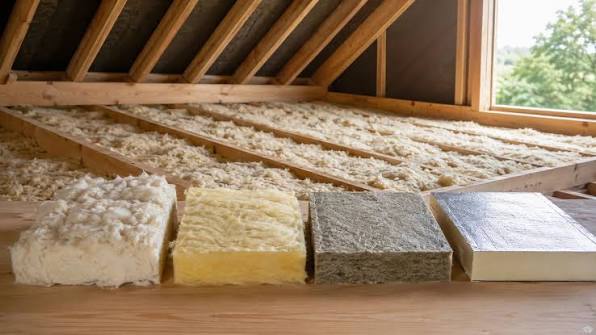
When it comes to insulating a timber-framed garden building in the UK, three materials consistently steal the spotlight: PIR boards (rigid foam), Mineral Wool, and Sheep Wool.
Which one reigns supreme? Let’s break down how they stack up against each other in terms of performance, cost, and ease of installation.
PIR Boards (e.g., Celotex, Kingspan)
The High-Performance Heavyweight
PIR (Polyisocyanurate) boards are rigid foam panels sandwiched between foil facings. They are the go-to choice for many modern builders and DIYers who want maximum thermal efficiency.
- Thermal Performance: Exceptional. PIR has one of the lowest thermal conductivity ratings on the market. This means you need a thinner layer of PIR to achieve the same insulation value (U-value) as thicker rolls of other materials.
- Moisture Resistance: Excellent. PIR boards are virtually waterproof and, when installed with taped joints, act as a great vapour barrier.
- Pros: Space-saving (doesn’t steal valuable inches from your internal floor space), highly efficient, rigid, and doesn’t sag over time.
- Cons: Can be expensive upfront. Cutting rigid boards to fit snugly between irregular timber studs can also generate quite a bit of waste and dust.
Best for: Those who want maximum warmth with minimum thickness, and are working with a slightly higher budget.
Mineral Wool (e.g., Rockwool, Knauf)
The Reliable All-Rounder
Mineral wool (often made from spun glass or volcanic rock) is the traditional blanket insulation you’ve likely seen rolled out in loft spaces. It’s flexible, breathable, and widely available in UK DIY stores.
- Thermal Performance: Good. While it requires a thicker layer than PIR to achieve the same insulation levels, it does a very solid job of trapping heat.
- Acoustic Benefits: Outstanding. Because of its dense, fibrous nature, mineral wool is incredible at absorbing sound. If your garden office sits near a noisy road or you plan on playing music/gaming, this is a huge plus.
- Fire Safety: Top-tier. Mineral wool is completely non-combustible (Euroclass A1 fire rating).
- Pros: Budget-friendly, easy to friction-fit between timber studs (just cut slightly wider than the gap), excellent acoustic dampening, and fire-resistant.
- Cons: It can be itchy to install (gloves and masks are mandatory!). It is also susceptible to sagging over time if not supported properly, and it must be paired with a reliable vapour barrier to prevent moisture absorption.
Best for: Garden rooms where soundproofing is a priority, or for builders looking for a great balance of performance and affordability.
Sheep Wool
The Eco-Friendly Champion
If you are building an eco-conscious garden room, sheep wool is hard to beat. Sourced from British sheep (making it a fantastic renewable resource), this natural insulation is gaining massive traction in the UK green-building sector.
- Thermal Performance: Very good. Like synthetic wools, it traps air effectively to keep the heat in.
- Moisture Regulation: Legendary. Unlike man-made materials, sheep wool is hygroscopic. This means it can absorb and release up to 35% of its weight in moisture without losing its thermal properties or rotting. It practically breathes with your timber building.
- Air Quality: Sheep wool actually absorbs and neutralises harmful VOCs (volatile organic compounds) and indoor pollutants.
- Pros: 100% natural, sustainable, biodegradable, safe to touch (no itchiness!), and superior at managing UK condensation issues.
- Cons: The most expensive option on this list. It also usually requires chemical treatment against moths and beetles (though most commercial brands already do this).
Best for: Eco-conscious projects, garden rooms built with traditional timber, and anyone wanting a natural, healthy indoor climate.
The Verdict: Which Should You Choose?
There is no single “best” material—only the best material for your specific budget and needs:
- Choose PIR if your garden room is on the smaller side and you want to maximise your internal floor space while achieving ultimate warmth.
- Choose Mineral Wool if you are on a budget, want great soundproofing (ideal for garden offices or music rooms), and don’t mind wearing PPE during installation.
- Choose Sheep Wool if you are building an eco-friendly sanctuary and want superior, natural moisture management to protect your timber frame for decades to come.
Pro-Tip for UK Climates: Whichever insulation you choose, never skip the vapour control layer (VCL) on the warm side of the insulation, and ensure there is a ventilated cavity on the cold side of your external cladding. Managing moisture is the key to making any timber garden building last a lifetime!