
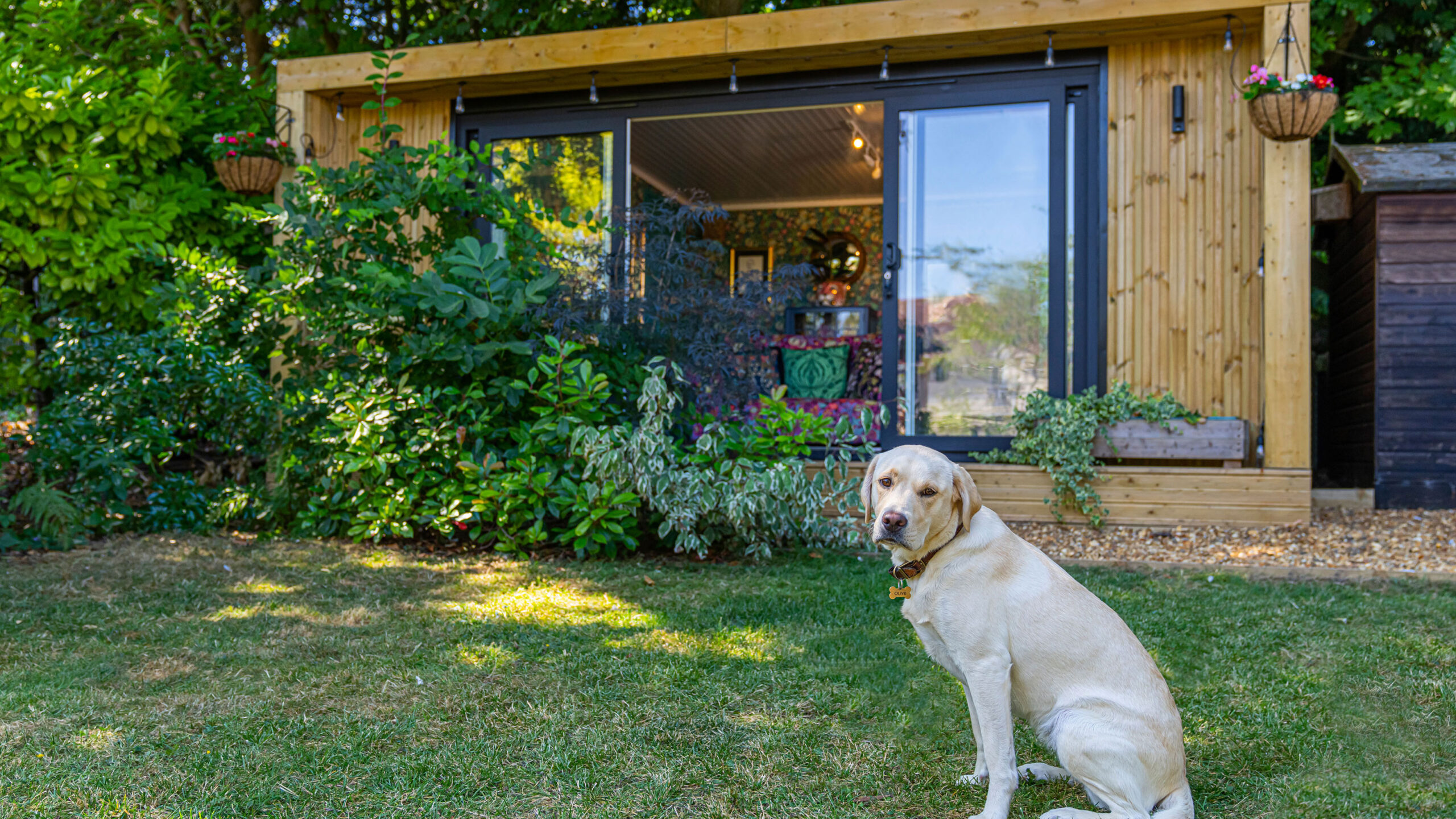
Dreaming of a tranquil home office, a hobby workshop, or the ultimate garden pub? Adding a shed or summerhouse is one of the best ways to upgrade your outdoor space.
However, before you start browsing timber finishes or laying foundations, there is one crucial question you need to answer: Do I need planning permission?
The good news is that most standard garden buildings in the UK do not require planning permission. They fall under a category known as Permitted Development Rights. However, these rights come with a strict set of rules and limitations.
Here is your straightforward, plain-English UK guide to understanding whether your shed or summerhouse needs the green light from your local council.
What are Permitted Development Rights?
Permitted Development (PD) allows homeowners to build extensions, outbuildings, and make certain other alterations without going through the full planning application process.
For garden buildings like sheds and summerhouses, you must meet all of the following criteria to stay within PD limits. If you fail even one, you will likely need to apply for planning permission.
The Rules: When You Don’t Need Planning Permission
To build your shed or summerhouse without council approval, your project must tick every box below:
1. Location, Location, Location
- Back gardens only: Outbuildings are only permitted at the rear of the house. You cannot build a shed in your front garden without planning permission.
- Side extensions: If your house is on a corner plot, or you want to build to the side of your house, stricter rules apply, and you will likely need permission.
2. Height Restrictions
The absolute height of your building matters, and it’s measured from the highest ground immediately adjacent to the building:
- Max 2.5 metres if the building is within 2 metres of any boundary.
- Max 3 metres for a building with a dual-pitch roof (traditional pitched roof) positioned more than 2 metres from the boundary.
- Max 2.5 metres for a building with a flat roof positioned more than 2 metres from the boundary.
3. Overall Size and Footprint
- The total area covered by all outbuildings (sheds, greenhouses, summerhouses, etc.) must not exceed 50% of the total land area around the original house (as it stood in 1948 or when first built).
- Any extensions, lean-tos, or previous outbuildings count toward this 50% limit.
4. Verandas and Raised Platforms
- Your summerhouse or shed cannot have a balcony, veranda, or raised platform (a decking area higher than 30 centimetres off the ground) without planning permission.
5. Sleeping Accommodation
- You cannot use a standard garden shed or summerhouse as self-contained living accommodation or for overnight stays (unless you get planning permission and likely building regulations approval). Using it as a home gym, office, or art studio is fine, but adding a bed changes the legal classification.
Special Exceptions: When the Rules Change
Even if your shed fits all the criteria above, you might still need planning permission if your property falls under special designations:
- Listed Buildings: If your home is a listed building, virtually any external structure will require listed building consent and potentially planning permission.
- Designated Land: If you live in a Conservation Area, a National Park, an Area of Outstanding Natural Beauty (AONB), or the Broads, your Permitted Development rights are often restricted. For example, any outbuilding situated to the side of the house will need permission, and restrictions on the size and location of buildings closer to boundaries are tighter.
- Article 4 Directions: Some local authorities issue an “Article 4 Direction,” which removes Permitted Development rights in certain neighbourhoods. Always check with your local council.
What About Building Regulations?
Planning permission and Building Regulations are two entirely different things.
- Under 15 square metres: Generally, a small shed or summerhouse under 15 sqm that contains no sleeping accommodation will not need Building Regulations approval.
- Between 15 and 30 square metres: You usually won’t need Building Regulations approval as long as the floor area is under 30 sqm, the building contains no sleeping accommodation, AND it is either at least 1 metre from any boundary OR is constructed substantially of non-combustible materials.
- Over 30 square metres: You will almost certainly need Building Regulations approval, regardless of planning permission.
What Should You Do Next?
- Measure carefully: Grab a tape measure and check the height, distance from boundaries, and total footprint of your planned summerhouse.
- Check your deeds: Look out for any restrictive covenants on your property deeds. Sometimes, housing developers or local councils put clauses in place that ban outbuildings entirely, regardless of what planning law says.
- Talk to your neighbours: It’s always polite to let neighbours know if you’re building something substantial. Keeping them onside prevents neighbour disputes that can lead to council investigations.
- Contact your Local Planning Authority (LPA): If you are in any doubt—especially if you live in a conservation area or have an unusual plot—contact your local council. Many councils offer a pre-planning advice service for a small fee, or you can apply for a Lawful Development Certificate (LDC). An LDC is an official document from the council confirming that your build is legal without planning permission.