
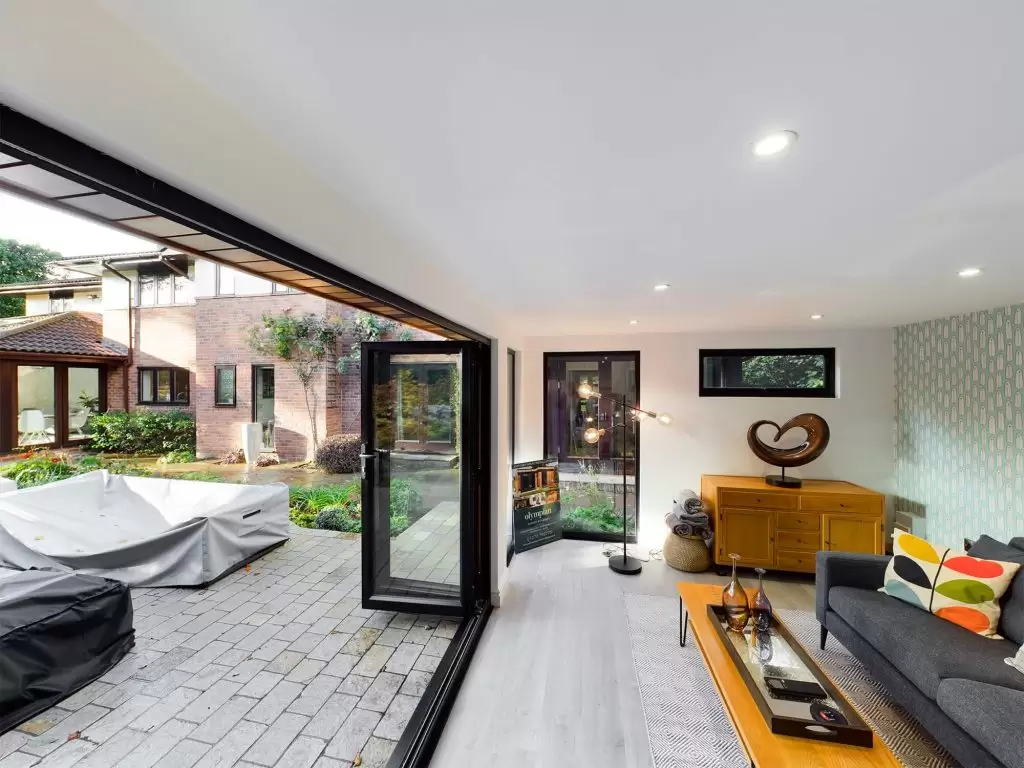
With hybrid working firmly established as the new normal for millions of Britons, the demand for dedicated home workspace has never been higher. Whether you’re crammed at the kitchen table or tired of turning the spare bedroom into a makeshift office on Sunday nights, the time has come to upgrade.
If you have the space and the budget, you’re likely weighing two main options: a sleek modular garden office or a traditional bricks-and-mortar home extension.
While both will undoubtedly improve your daily work life and add value to your property, which one offers the better Return on Investment (ROI) in the UK? Let’s crunch the numbers and compare the pros and cons.
Upfront Costs & Hassle
When calculating ROI, the initial capital outlay is critical.
- The Garden Office: Generally speaking, a high-quality, fully insulated, and wired garden room costs anywhere between £15,000 and £35,000, depending on size and finish. Crucially, most garden offices fall under Permitted Development Rights, meaning you typically don’t need to apply for full planning permission (though building regulations may apply if it exceeds certain floor areas). This saves you months of waiting and hundreds in council fees.
- The Home Extension: Building a traditional single-storey extension is a major construction project. In the current UK market, costs routinely range from £2,000 to £4,000+ per square metre, easily pushing a standard extension into the £40,000 to £80,000+ bracket. Furthermore, you will almost certainly need planning permission, architectural drawings, structural calculations, and endure months of builders, dust, and disruption.
Winner: Garden Office. Lower upfront costs, faster turnaround times, and significantly less domestic stress give the garden office an early lead.
Property Value Addition
How much value does each option actually add to your home? Estate agents generally agree that adding usable square footage increases a property’s value, but the type of space matters.
- The Home Extension: Extensions win big on square footage. By expanding your kitchen, adding a family room, or building a downstairs bedroom with an ensuite, you are increasing the overall footprint of the main house. In property-hungry areas of the UK, a well-executed extension can add anywhere from 5% to 15% to a home’s value, often recouping a high percentage of the build costs (sometimes upwards of 80-90% in areas like London and the South East).
- The Garden Office: A garden room adds functional space, but it doesn’t technically increase the square footage of the dwelling itself. However, post-pandemic buyer trends have shifted dramatically. A purpose-built, insulated outbuilding is now viewed as a massive selling point. Estate agents frequently report that a garden office adds roughly 5% to 8% to a property’s value.
Winner: Home Extension. Pound for pound, bricks-and-mortar square footage added directly to the main structure still commands a higher valuation from traditional surveyors.
The “True” ROI Calculation (Cost vs. Value Recovered)
ROI isn’t just about the final selling price; it’s about how much money you get back relative to what you spent.
Let’s look at a hypothetical scenario:
- You spend £25,000 on a garden office, which adds £20,000 to your home value. (Net cost: £5,000).
- You spend £60,000 on a home extension, which adds £50,000 to your home value. (Net cost: £10,000).
While the extension added more cash value to the house, you lost more money on the overall project when factoring in the high cost of labour, materials, planning, and VAT.
Moreover, consider the “Lifestyle Dividend.” A garden office provides a physical commute—a vital mental separation between work and home life. It doesn’t disrupt your living space while being built, and if you ever move house, you technically can’t take an extension with you, but you can potentially market a garden room as a versatile space (gym, art studio, teen hangout) that appeals to modern buyers.
Winner: Garden Office. Because the entry cost is a fraction of an extension, your financial risk is lower, and the percentage of money recovered upon sale is often more favourable.
The Verdict: Which Should You Choose?
Ultimately, the “better” ROI depends on your long-term property goals:
- Choose the Garden Office if: Your primary goal is to create a dedicated workspace without breaking the bank, enduring months of building work, or getting bogged down in planning permission. It offers incredible percentage ROI due to its lower setup costs and high appeal to modern remote workers.
- Choose the Home Extension if: You have a growing family, your home desperately needs a better layout (like an open-plan kitchen/diner), you have the budget for disruption, and you plan on staying in the property for at least another 5–10 years to enjoy the space and let the property market catch up with the build costs.
Are you leaning towards a garden sanctuary or a major home refit? Let us know your thoughts and experiences in the comments below!