When we think about home improvements, our minds usually drift to kitchen islands, bi-fold doors, or fresh coats of paint. But what if your next big project was growing right over your head?
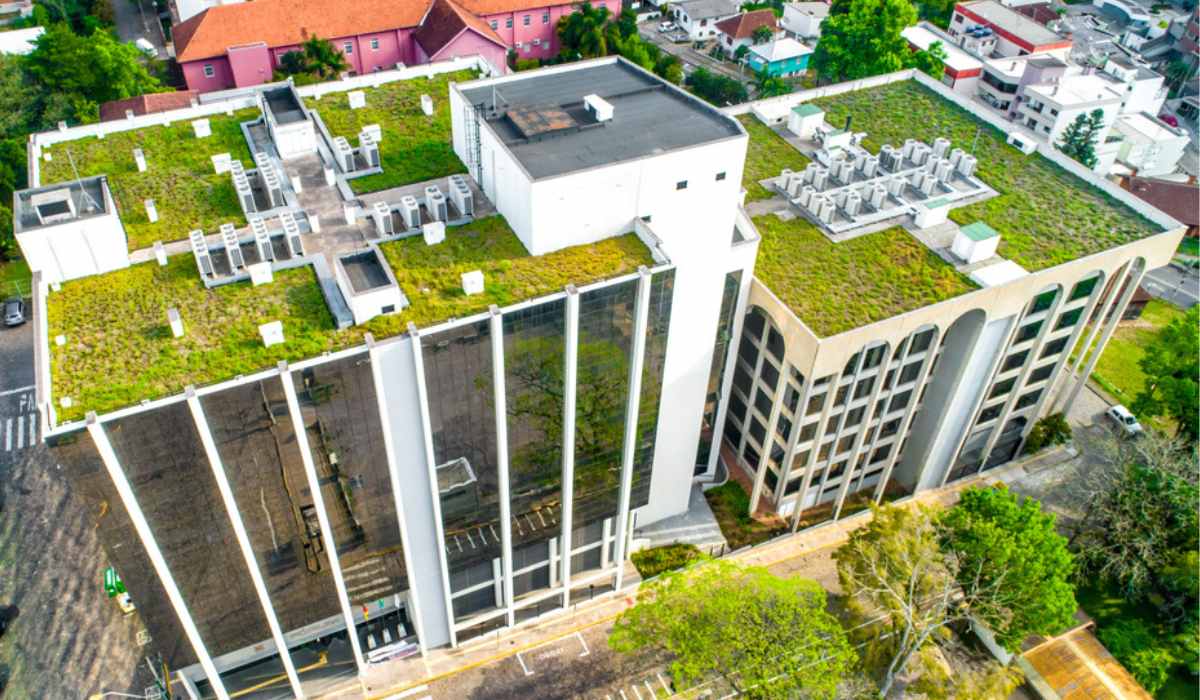
Green roofs—or “living roofs”—are transforming from an eco-friendly trend into a must-have feature for modern homeowners. Whether you’re planning a new garage or looking to revitalize an existing flat-roof extension, installing a green roof is one of the most rewarding ways to add character, insulation, and a vital boost to local biodiversity.
Why Go Green?
Beyond the undeniable “cool factor,” a green roof acts as a powerful piece of nature-based infrastructure. Here is why you should consider turning that blank slate of roofing felt into a thriving ecosystem:
1. A Haven for Pollinators
Urban sprawl and suburban development have significantly reduced the natural habitats available to bees, butterflies, and other pollinators. By planting a selection of sedums, wildflowers, and native grasses on your extension, you are creating a “stepping stone” for wildlife. These roofs provide essential foraging spots in areas that might otherwise be ecological deserts.
2. Natural Insulation
Plants are masters at thermal regulation. In the summer, a green roof acts as a natural sunblock, absorbing heat and keeping your garage or extension significantly cooler. In the winter, the soil and vegetation provide an extra layer of insulation, helping to keep the heat inside and potentially lowering your energy bills.
3. Stormwater Management
One of the biggest issues with standard flat roofs is water runoff, which can overload local drainage systems during heavy downpours. A green roof acts like a sponge, absorbing rainfall and releasing it slowly back into the atmosphere through evaporation. It’s a small-scale solution to a large-scale climate problem.
4. The “Long Game” for Your Roof
Believe it or not, a green roof can actually extend the lifespan of your roof structure. By protecting the underlying waterproofing membrane from damaging UV rays and extreme temperature fluctuations, you prevent the cracking and degradation that typically force homeowners to replace their roofs every 10–15 years.
Making it Happen: What You Need to Know
If you’re excited to get started, here are three things to keep in mind:
- Check Your Structure: Before you start adding soil and plants, ensure your garage or extension roof is structurally sound. Wet soil is heavy! Consult with a builder or structural engineer to ensure your roof can support the “load-bearing” weight.
- Keep it Lightweight: Most residential green roofs are “extensive” roofs. This means they are designed to be low-maintenance, using shallow layers of substrate (specialized soil) and drought-tolerant plants like sedums, which don’t require intensive watering or care.
- Think Local: While sedum blankets are the go-to for their hardiness, try to incorporate native wildflowers. They are better adapted to your local climate and provide the best support for the specific insects in your area.
The View from the Top
There is something deeply satisfying about looking out of an upstairs window and seeing a patch of living, breathing color instead of boring grey asphalt. A green roof isn’t just an “add-on”—it’s a commitment to the environment and a way to reconnect your home with the natural world.
So, the next time you look at that flat roof on your garage, don’t see a chore. See an opportunity. Whether you’re a seasoned gardener or a weekend DIY enthusiast, a green roof is a project that gives back—to your home, your wallet, and the local bee population.
Are you ready to grow your roof? Let us know in the comments how you plan to bring the wild to your doorstep!