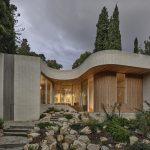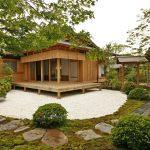
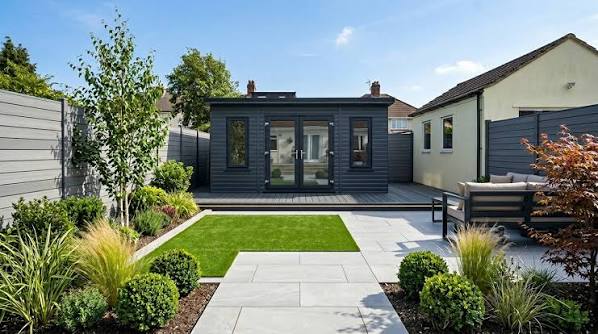
There is nothing quite like a timber garden room. Whether you’re dreaming of a peaceful home office away from household distractions, a creative art studio, a home gym, or simply a cosy sanctuary to enjoy your garden all year round, a wooden garden building adds both value and charm to a UK property.
However, building a garden room in the UK comes with one major caveat: our wonderfully unpredictable weather. From torrential autumn downpours and biting winter frosts to surprisingly humid summers, British weather can be tough on timber.
If you want your garden room to last for decades rather than just a few years, you need to choose wisely. Here is your ultimate guide to selecting the perfect timber garden room designed to thrive in the UK climate.
Choose the Right Timber (The Foundation of Durability)
Not all wood is created equal. When exposed to the elements, poor-quality timber will warp, rot, and invite unwanted pests. When browsing options, look for these resilient wood types:
- Western Red Cedar: Widely considered the gold standard for UK garden rooms. It’s naturally rich in oils that repel moisture, insects, and decay. It requires minimal treatment and ages gracefully into a stylish silvery-grey (or can be UV-treated to maintain its warm, golden hue).
- Siberian Larch: Known for its incredible density and strength, Larch is extremely durable against wet weather. It has a striking grain and is often more budget-friendly than cedar.
- Scandinavian Redwood (Pressure-Treated): If you are looking at a more cost-effective option, ensure the redwood has been pressure-treated (tanalised). This process forces preservatives deep into the wood fibres, protecting it against rot and fungal decay.
Prioritise Superior Insulation (For All-Seasons Use)
In the UK, a garden room shouldn’t just be usable from May to August. If you want to use your space comfortably in January without wearing three jumpers, insulation is non-negotiable.
A “summerhouse” is often built with a single skin of timber and gets freezing in the winter and roasting in the summer. A true garden room requires a fully insulated cavity wall system.
- Look for SIPs (Structural Insulated Panels): These modern building panels offer exceptional thermal performance, keeping the heat in during winter and out during summer.
- Check the specs: Ensure insulation is included in the walls, floor, and roof.
- Double Glazing: Single-glazed windows will cause condensation and heat loss. Always insist on double (or triple) glazing with UPVC or thermally broken aluminium frames.
Defend Against Damp: Breathable Membranes and Roofs
Britain’s high humidity and frequent rain mean moisture management is your number one priority.
- Vapour Barriers & Breather Membranes: Quality timber buildings use a breathable membrane beneath the exterior cladding. This lets moisture escape from the inside while stopping rain from getting in, preventing damp and mold growth.
- Roofing Materials: Flat roofs are popular for modern garden rooms, but they need to be installed correctly to avoid pooling water. Look for EPDM rubber roofing—a single-sheet membrane that can easily last 50 years and handles heavy rain and snow with ease. Alternatively, a pitched roof with tiles or slate offers classic aesthetics and excellent runoff.
- Raised Foundations: Ensure your garden room sits on a solid, raised foundation (like a concrete pad or screw piles). This prevents moisture from the ground from seeping up into the timber floor joists.
Ventilation is Key
It sounds counterintuitive in a rainy climate, but good ventilation is essential for preventing dampness inside a sealed timber room. Look for buildings that offer trickle vents on windows, or consider installing a small, discreet ventilation system. This is especially important if you plan to use the space as a home gym, a beauty salon, or a room with plants.
Low-Maintenance Finishes
Do you love the idea of painting your garden room every spring, or would you rather spend your weekends relaxing?
- Untreated/Natural finishes: Cedars and Larch can be left untreated if you don’t mind the natural weathering process.
- Factory-finished paints/stains: If you want a specific colour (like modern anthracite grey or classic sage green), choose a supplier who applies microporous stains or paints in a factory setting. These treatments allow the wood to “breathe” while shedding water, lasting much longer than a quick DIY coat applied on-site.
Don’t Forget UK Planning Permission
While many timber garden rooms fall under Permitted Development rights (meaning you don’t need formal planning permission), the UK has strict rules regarding height, proximity to boundaries, and intended use. As a general rule of thumb:
- Keep the overall height under 2.5 metres if it’s placed within 2 metres of your boundary.
- Ensure it doesn’t cover more than 50% of your total garden area.
- Check local restrictions if you live in a Conservation Area or a Listed Building.
Investing in a timber garden room is a fantastic way to add functional living space to your home. By prioritising quality cladding like Cedar or Larch, robust insulation, EPDM roofing, and proper damp-proofing, you can create a gorgeous, weather-proof retreat that stands strong against the British elements 365 days a year.
Are you planning to build a garden room this year? What will you be using your extra space for? Let us know in the comments below!