
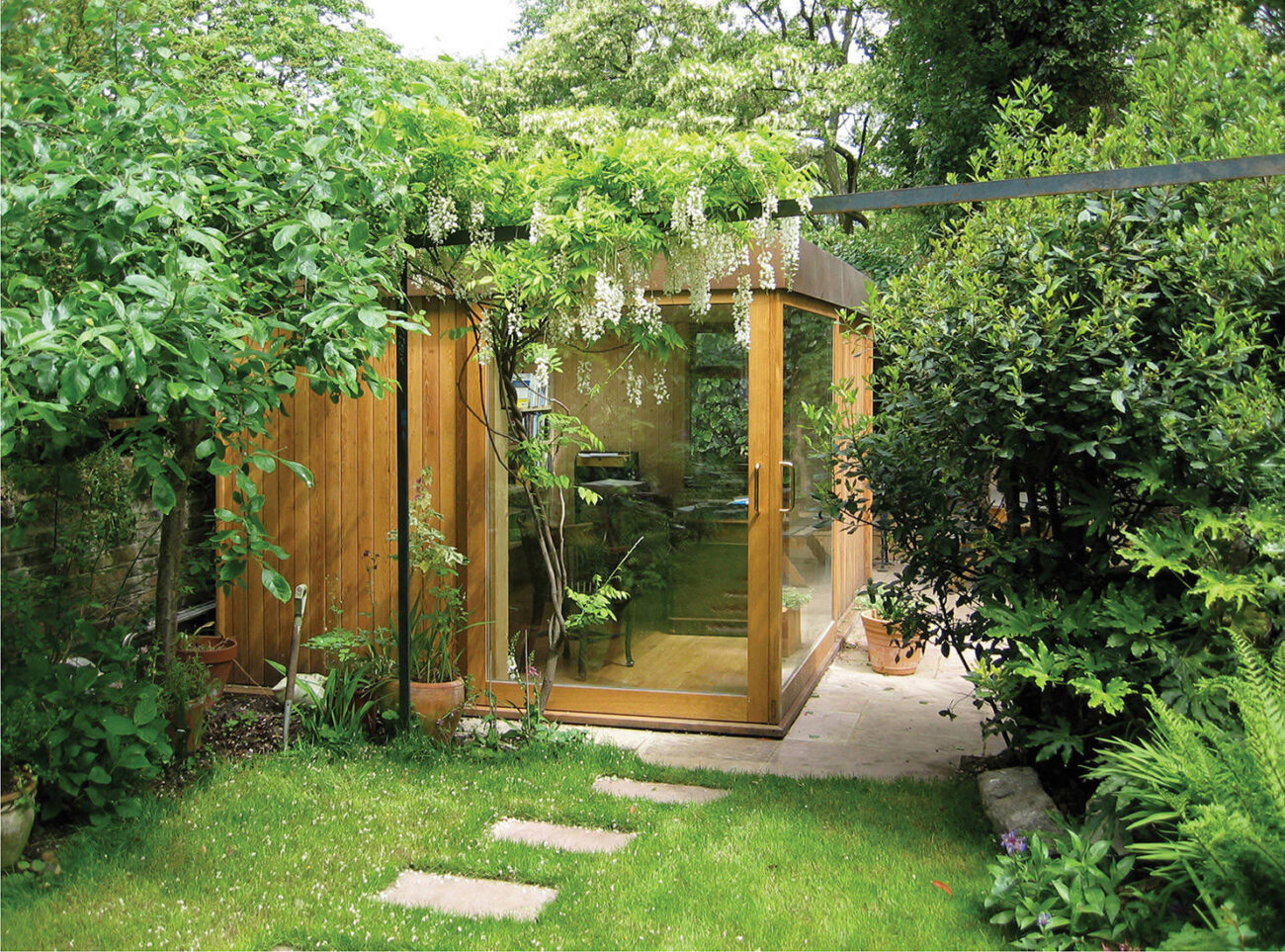
Ah, the small garden. It’s cozy, manageable, and full of charm—until you realize you have nowhere to put the lawnmower, let alone create that peaceful reading nook you’ve been dreaming of.
When your outdoor space is limited, every square foot counts. Adding a garden building—whether it’s a shed, a mini-office, or a greenhouse—can completely transform how you use your garden. But the golden rule of small-space design applies here more than ever: choose wisely.
If you squeeze the wrong structure into a compact garden, it can quickly dominate the space, block your light, and leave you feeling boxed in.
So, how do you find the “Goldilocks” garden building? Here is your step-by-step guide to choosing the right one for a small garden.
Measure Twice, Dream Once
Before you even start browsing Pinterest, grab a tape measure. You need to know not just the footprint of the building, but the clearance space needed around it for installation, maintenance, and door-swing.
Check the boundaries: Leave a gap between the building and your fences or hedges. This allows for airflow (preventing damp and rot) and gives you room to paint or treat the exterior walls later.
Watch the height: In many regions, planning permission depends on height. Keeping your building under 2.5 meters usually keeps you in the clear, but always check local regulations—especially if your garden is overlooked by neighbors.
Use the “String Trick”: Mark out the proposed footprint of the building in your garden using stakes and string. Walk around it, sit near it, and see how it feels. Does it block your favorite view from the kitchen window? Does it cast too much shade?
Prioritize Multifunctionality
In a small garden, luxury often means doing double duty. If you only have space for one structure, make sure it works hard for you.
The Shed-Office Combo: Look for a shed with a bit of extra headroom and natural light. With some insulation, it can double as a potting shed by day and a quiet home office or art studio by afternoon.
Built-In Storage: Choose designs that incorporate exterior log stores, lean-to shelving, or fold-down potting benches. This keeps clutter off the ground and saves you from needing extra boxes or sheds.
Choose the Right Silhouette
Not all footprints are created equal. For small gardens, the shape of your building can make or break the visual flow.
Go Up, Not Out: Instead of a wide, sprawling shed, opt for something taller with a narrower footprint.
Lean-To Structures: If your garden is tight on space, consider a lean-to building that attaches to the side of your house, garage, or a sturdy boundary wall. This uses “dead space” and keeps the center of your garden open.
Corner Units: Corners are often underutilized spaces in small gardens. A corner shed or summerhouse tucks neatly away, softening harsh 90-degree fencing and opening up the center of the lawn.
Sloping Roofs (Pent Roofs): A pent roof slopes gently from front to back, allowing you to place the building right against a fence without the taller side blocking light.
Let There Be Light (and Transparency)
A solid wooden box can feel heavy and oppressive in a small garden. To maintain a sense of openness, incorporate glass and light colors.
Glazed Doors and Windows: Full-length glass doors or windows do two things: they flood the interior with natural light, and they create a visual “borrowed view” of the garden from inside.
Mirrors: If your building is used as a workspace or relaxation room, hang a mirror on an interior wall opposite a window to bounce light around and make the space feel twice as big.
Color Palette: Paint the exterior in soft, reflective colors. Pale greens, warm greys, or even off-white can make the building recede into the foliage rather than sticking out like a sore thumb.
Consider Low-Maintenance Materials
In a compact garden, your building is always in your line of sight. You don’t want to spend your weekends constantly repairing it.
- Dip-Treated vs. Pressure-Treated Timber: Always go for pressure-treated wood if budget permits. It lasts much longer and requires less frequent retreating.
- Composite Cladding: If you want a modern look with zero maintenance, composite panels won’t rot, warp, or need painting.
- Metal or Plastic: While traditionally reserved for utilitarian storage, modern metal and heavy-duty resin sheds are sleek, slimline, and completely weather-resistant—ideal for very tight spots where every inch of wall thickness matters.
A small garden isn’t a limitation; it’s an invitation to be clever. By choosing a building that fits your scale, serves multiple purposes, and blends harmoniously into your landscape, you’ll gain a functional space without sacrificing your slice of green.