
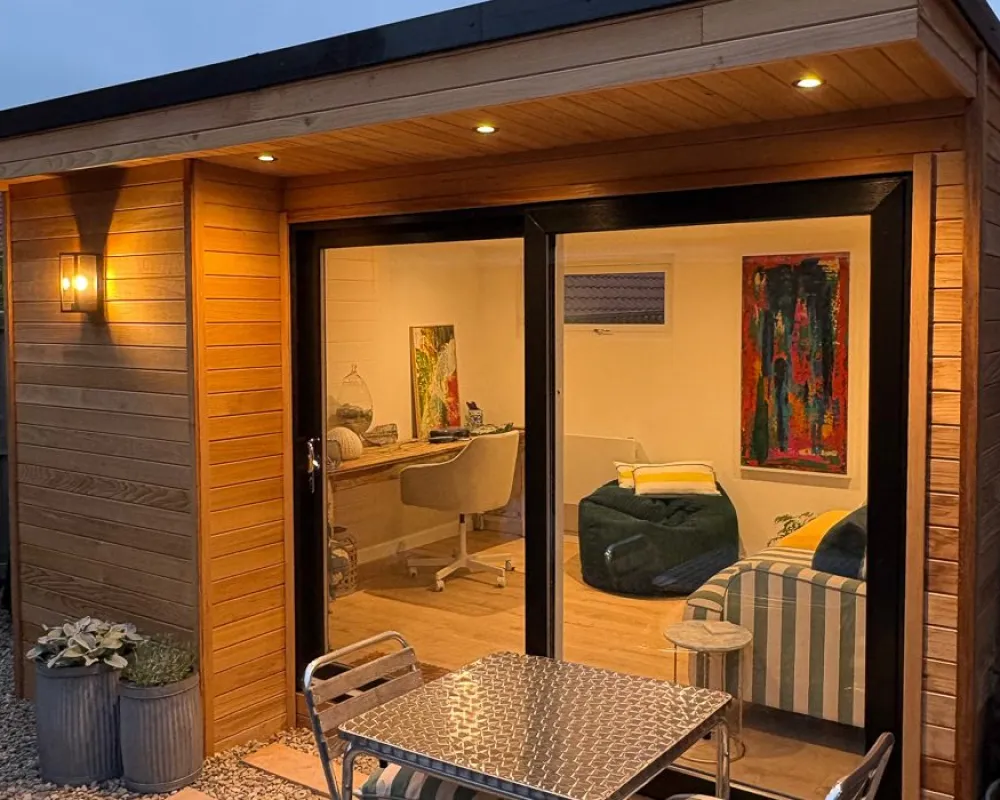
For centuries, artists have chased a very specific kind of illumination. Step into almost any historical master’s studio, and you’ll find one common denominator: large north-facing windows.
If you are planning to build a garden room art studio, harnessing this legendary “north light” is the single most important design decision you can make. But why is it so revered, and how do you successfully capture and control it in a modern modular or bespoke garden building?
Let’s dive into the art and architecture of designing a light-filled creative sanctuary in your backyard.
Why North Light is the Holy Grail for Artists
To understand why north light is so special, we have to look at the geometry of the sun.
In the Northern Hemisphere, the sun rises in the east, arcs across the southern sky, and sets in the west. This means that south-, east-, and west-facing windows receive direct, unfiltered sunlight for large parts of the day. While this sounds lovely, it creates two major problems for artists:
- Harsh Shadows: Direct sunlight creates high-contrast shadows that constantly shift throughout the day.
- Color Distortion: Direct sunlight is warm and yellow, and as it moves, it alters the true colors of your canvas or subject matter.
North light, however, is indirect and reflected. Because the sun never passes directly over the northern sky, windows facing north receive a cool, gentle, and remarkably consistent quality of light from dawn until dusk. It eliminates harsh glares, minimizes deep shadows, and provides a neutral color temperature that allows you to see true pigments.
Whether you’re mixing oils, watercolours, or sketching, a north-facing studio gives you predictable, flicker-free working conditions all day long.
Facing the Right Direction
The first step in your garden room journey is site placement. You need to orient your garden office or studio so that the primary bank of windows faces true North (if you are in the Northern Hemisphere—conversely, south-facing if you are in the Southern Hemisphere).
Work with your garden room designer to map out your garden. Consider:
- The path of your garden: Will trees, fences, or your main house block the northern light?
- The view: What will you be looking at out of those north-facing windows? A lush green hedge or a brick wall? (Pro tip: Greenery outside a north window actually bounces a lovely, soft green-tinted ambient light inward).
Maximising the Glazing
To truly benefit from north light, you need lots of it. Unlike south-facing rooms that can overheat if over-glazed, north-facing rooms don’t suffer from solar overheating. This gives you the freedom to go big.
Floor-to-Ceiling Windows: Maximize the vertical expanse of your studio. Tall windows pull light deeper into the room, illuminating both your standing easel and your floor space.
Frameless or Slimline Aluminium Frames: Minimize the visual interruption of thick wooden or uPVC frames. Slim anthracite grey or black aluminium frames create a seamless threshold between your creative space and the outdoors.
Consider a Roof Lantern or Skylight: While north-facing vertical windows provide the best directional light, adding a north-facing pitched rooflight or clerestory windows high up on the wall can flood the center of the studio with shadowless illumination.
Bouncing and Preserving the Light
North light is inherently cool and soft, which means your interior design choices need to amplify it rather than swallow it up.
Choose the Right Whites: Avoid stark, clinical brilliant white, which can look grey and cold under north light. Instead, opt for warm whites with subtle undertones of yellow, peach, or cream, which will bounce the gentle light around the room without making it feel sterile.
Matte vs. Gloss: Use matte finishes on your walls to prevent unwanted glare, but consider satin or semi-gloss finishes on trims or ceilings to subtly reflect ambient light downward.
Flooring: Lighter flooring—such as blonde engineered timber, pale polished concrete, or neutral luxury vinyl tile (LVT)—will help lift the room and distribute light from the lower half of the windows.
Balancing Light and Function
While north light is fantastic for your main workspace (easels, drafting tables, sculpting benches), you might want other types of light in your studio, too.
The Creative Zone: Place your primary workstation directly in front of the north-facing glass to catch that steady, indirect glow.
The Messy/Storage Zone: Use the darker corners or south/east-facing walls (if your building has windows on multiple sides) for supply storage, a drying rack, or a sink station.
Task Lighting for Gloomy Days: Even with great design, winter days can get dark early. Invest in high-CRI (Color Rendering Index) LED art lamps that mimic natural daylight (around 5000K to 5500K) so your color accuracy remains uncompromised when working into the evening.
Building Your Creative Escape
A garden room art studio is more than just an extension of your home; it’s a psychological boundary between daily chores and pure creativity. By prioritizing a north-facing orientation and maximizing your glazing, you aren’t just building a room—you’re engineering an optical instrument designed to bring out your best work.
Are you ready to design your dream art studio? Get in touch with our garden room specialists today to discuss custom layouts, glazing options, and how to make the most of your plot’s natural light.