
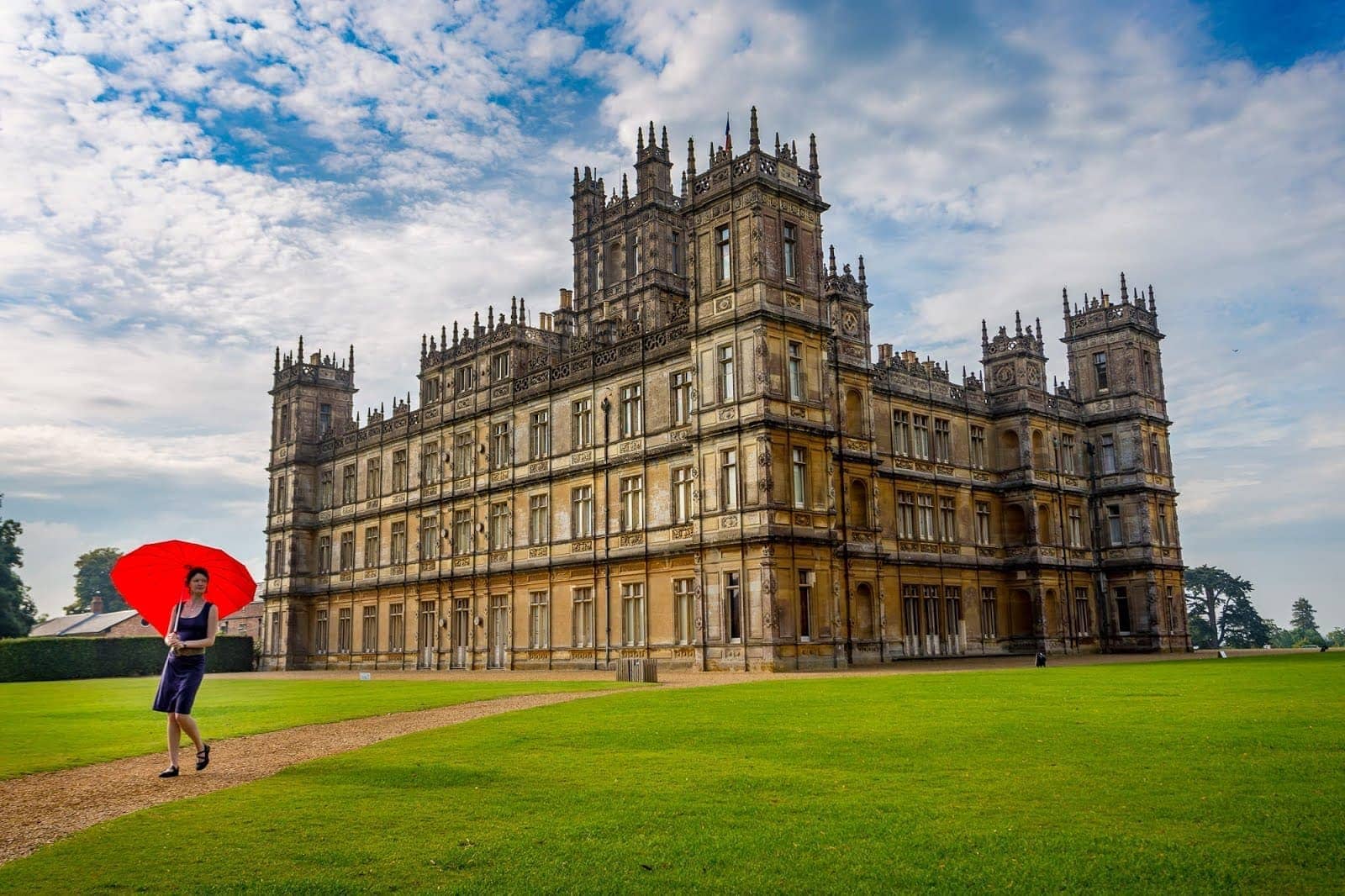
There is perhaps no image more quintessentially “British” than the manor house. Standing amidst rolling parklands, these stone-walled giants are the silent witnesses to centuries of history, social upheaval, and changing aesthetics.
But the British manor house was not always the sprawling, ivy-covered escape we see in period dramas today. Its history is a fascinating architectural timeline that mirrors the transformation of British society itself.
The Medieval Era: Survival over Style
In the aftermath of the Norman Conquest (1066), the manor house was not designed for comfort—it was designed for survival.
The early medieval manor house was essentially a fortified hall. During this period, the “Great Hall” was the heart of the home. It was a cavernous, single-room space where the lord of the manor lived, ate, and slept alongside his household. The architecture was dominated by small windows, thick defensive walls, and heavy timber roofs. Privacy was non-existent, and the focus was firmly on security in a volatile landscape.
The Tudor Period: The Rise of Domesticity
As the Wars of the Roses concluded and the Tudor dynasty brought a semblance of stability to England, the architecture shifted. The need for a fortress evaporated, and the desire for prestige took its place.
This era birthed the “Prodigy House”—grandiose structures built to impress visiting monarchs, most notably Queen Elizabeth I. We began to see the introduction of the “Long Gallery,” designed for indoor exercise and displaying art collections. Architecture became symmetrical, chimneys became decorative features, and the use of brick and glass grew significantly. Houses like Hampton Court epitomize this shift toward domestic comfort and architectural vanity.
The Stuart and Georgian Eras: Order and Symmetry
By the 17th and 18th centuries, the influence of the Italian Renaissance reached British shores. Architects like Inigo Jones and Sir Christopher Wren rejected the chaotic, gothic feel of the past in favor of Classical Palladianism.
If you look at a Georgian manor, you will see a masterclass in mathematical precision. Symmetry was the rule: if there was a window on the left, it was mirrored exactly on the right. Pediments, columns, and grand staircases became the standard. The manor house was no longer just a place to live; it was a statement of Enlightenment values: logic, balance, and order.
The Victorian Era: A Romantic Revival
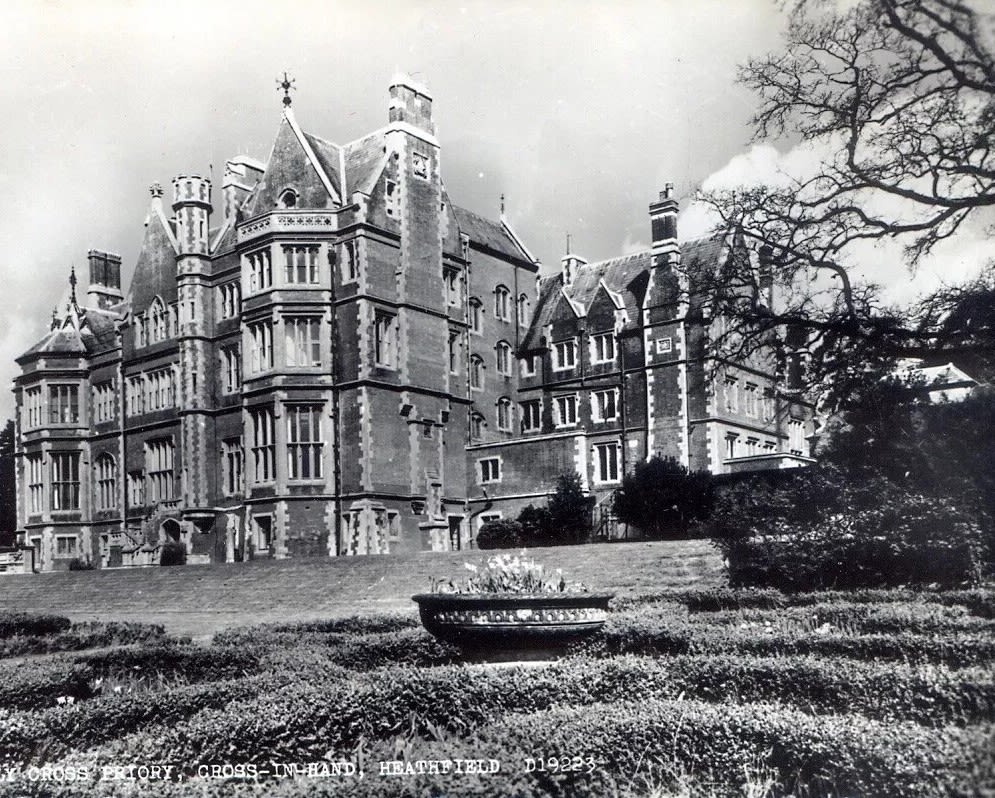
In the 19th century, the Industrial Revolution brought massive wealth to Britain. With money came a nostalgic yearning for the “good old days.” This resulted in the Gothic Revival.
Victorian manor houses were characterized by “picturesque” architecture—asymmetrical layouts, pointed arches, ornate carvings, and dizzying rooflines. It was a reaction against the cold, clinical nature of industry. Architects began to prioritize comfort, implementing new tech like indoor plumbing and central heating, while wrapping the exterior in a mask of medieval romanticism.
The Manor House Today: Preserving the Legacy
As we entered the 20th century, the economic burden of maintaining these massive estates—coupled with two World Wars and changing inheritance taxes—meant that many manor houses were demolished or gifted to the National Trust.
Today, the surviving British manor house serves as a living museum. They are no longer the centers of feudal power, but they remain invaluable records of craftsmanship. Whether it’s the rugged stonework of a medieval hall or the manicured symmetry of a Georgian estate, these buildings remind us that architecture is never just about walls and roofs. It is about how we live, what we value, and how we hope to be remembered by the generations that follow.
Have you ever visited a historic British manor? Do you prefer the defensive, moody charm of the medieval halls or the elegant symmetry of the Georgian estates? Let us know in the comments below!