
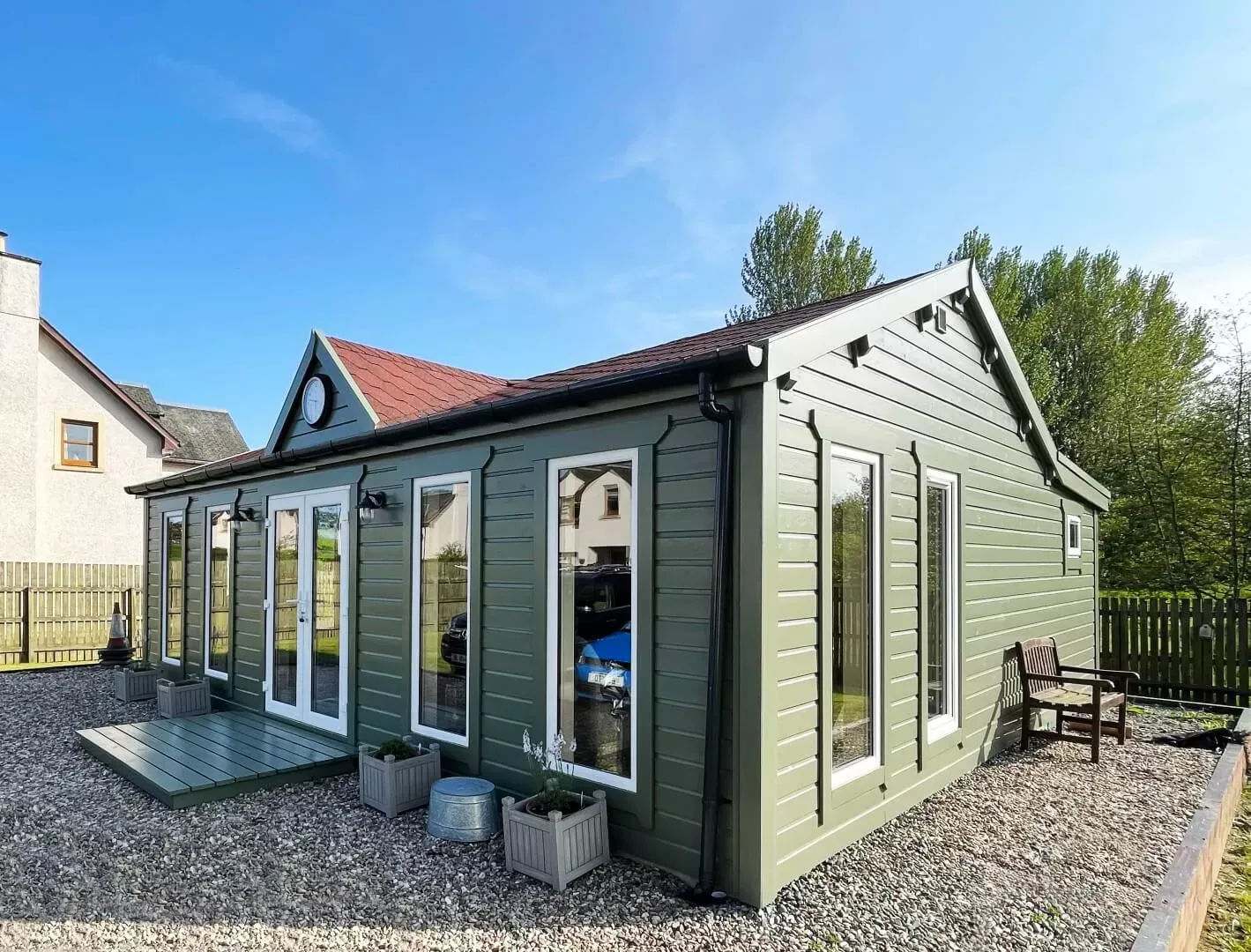
There is something undeniably romantic about owning a log cabin. Whether it’s a tranquil home office at the bottom of the garden, a weekend retreat, or a cosy guest room, a timber building brings rustic charm and natural beauty to any UK property.
However, loving a log cabin means embracing the reality of the British climate. From relentless winter rain and freezing temperatures to the occasional burst of summer UV rays, British weather can be tough on timber.
The secret to a long-lasting, beautiful log cabin isn’t luck—it’s maintenance. To help you keep your cabin in tip-top shape, we’ve put together the ultimate annual maintenance checklist, broken down by season.
Spring: Assess and Clean
As the winter frosts melt and the days begin to lengthen, spring is the ideal time to take stock of your cabin after the harshest weather.
- Conduct a Visual Inspection: Walk around the exterior. Look for any signs of damp, rot, mould, or mildew. Check the roof felt for leaks or wind damage, and inspect the windows and doors to ensure they still seal tightly (timber expands and contracts with moisture, which can cause alignment issues).
- Clear the Gutters: Autumn leaves and winter debris clog gutters quickly. Clear them out to ensure rainwater drains away from the base of the cabin rather than pooling against the lower logs.
- Give it a Spring Clean: Wash down the exterior walls with a soft brush and a mild, timber-friendly detergent or specialized wood cleaner. This removes winter grime, pollution, and any surface mould. Rinse thoroughly and allow the wood to dry completely (usually a few dry days) before applying any treatments.
Summer: Treat and Protect
Summer is prime time for log cabin maintenance. The wood is at its driest, making it the perfect season for staining, painting, and sealing.
Check the Moisture Content: Ideally, the moisture content of your logs should be below 20% before you apply any treatments. If you treat damp wood, the moisture gets trapped, leading to rot from the inside out.
Apply Wood Treatment/Stain: This is the most crucial step in log cabin ownership. Depending on what was previously applied, you’ll need a high-quality wood stain, oil, or preservative.
- Transparent/Semi-transparent stains allow the natural grain of the wood to show while protecting against UV rays.
- Paint/Opaque finishes offer fantastic protection and allow for custom color schemes.
- Top Tip: Pay special attention to the south-facing side of your cabin, which takes the brunt of the UV damage, and the bottom logs, which are most vulnerable to ground moisture splashback.
Check and Re-seal Windows and Doors: Check the silicone sealant around windows and doors. If it’s cracking or peeling, scrape it out and re-apply a flexible, waterproof exterior sealant to prevent draughts and leaks.
Autumn: Prepare for the Worst
Before the damp and cold set in, you need to batten down the hatches and ensure your cabin is fortified for the UK winter.
- Check the Roof: Inspect the roof shingles or felt once more. A stray branch or high summer wind might have lifted a corner. Secure any loose felt with bitumen adhesive.
- Tend to the Surroundings: Cut back any overhanging tree branches or bushes that touch or lean against the cabin. Vegetation traps moisture against the logs and prevents them from drying out, creating a breeding ground for rot and wood-boring insects.
- Insulate and Vent: Ensure your vents are clear to allow air circulation (crucial for preventing condensation inside). If you use your cabin year-round, check that your insulation and heating systems are in working order.
Winter: Monitor and Manage
Winter in the UK usually means damp air, heavy rain, and freezing temperatures. While major DIY work is off the table, you should still keep a watchful eye.
- Manage Condensation: If your cabin isn’t heated daily, the contrast between indoor and outdoor temperatures can cause condensation. Use a portable dehumidifier if necessary, and keep furniture slightly away from the walls to allow air to circulate.
- Clear Snow: If you get heavy snow, gently brush large accumulations off the roof. While cabin roofs are built to bear weight, heavy, wet snow can put unnecessary strain on the structure.
- Check After Storms: Following high winds or torrential downpours, do a quick walk-around to check for loose roofing materials, fallen branches, or pooling water near the base.
Golden Rules of Log Cabin Maintenance
No matter what month it is, keep these three golden rules in mind:
- Never ignore a leak: Water is timber’s number one enemy. If you spot a leak, fix it immediately.
- Invest in quality products: Don’t be tempted by cheap supermarket wood treatments. Buy breathable, high-penetration exterior wood stains designed specifically for garden buildings.
- Treat the end-grain: The exposed ends of logs (where they are cut) absorb moisture like a sponge. Always ensure these areas receive an extra-heavy coat of treatment.
Looking after a log cabin in the UK does require commitment, but the reward is a stunning, durable outdoor space that adds value and joy to your home for decades. By breaking your maintenance down into a manageable annual routine, you’ll save yourself time, money, and stress in the long run.