
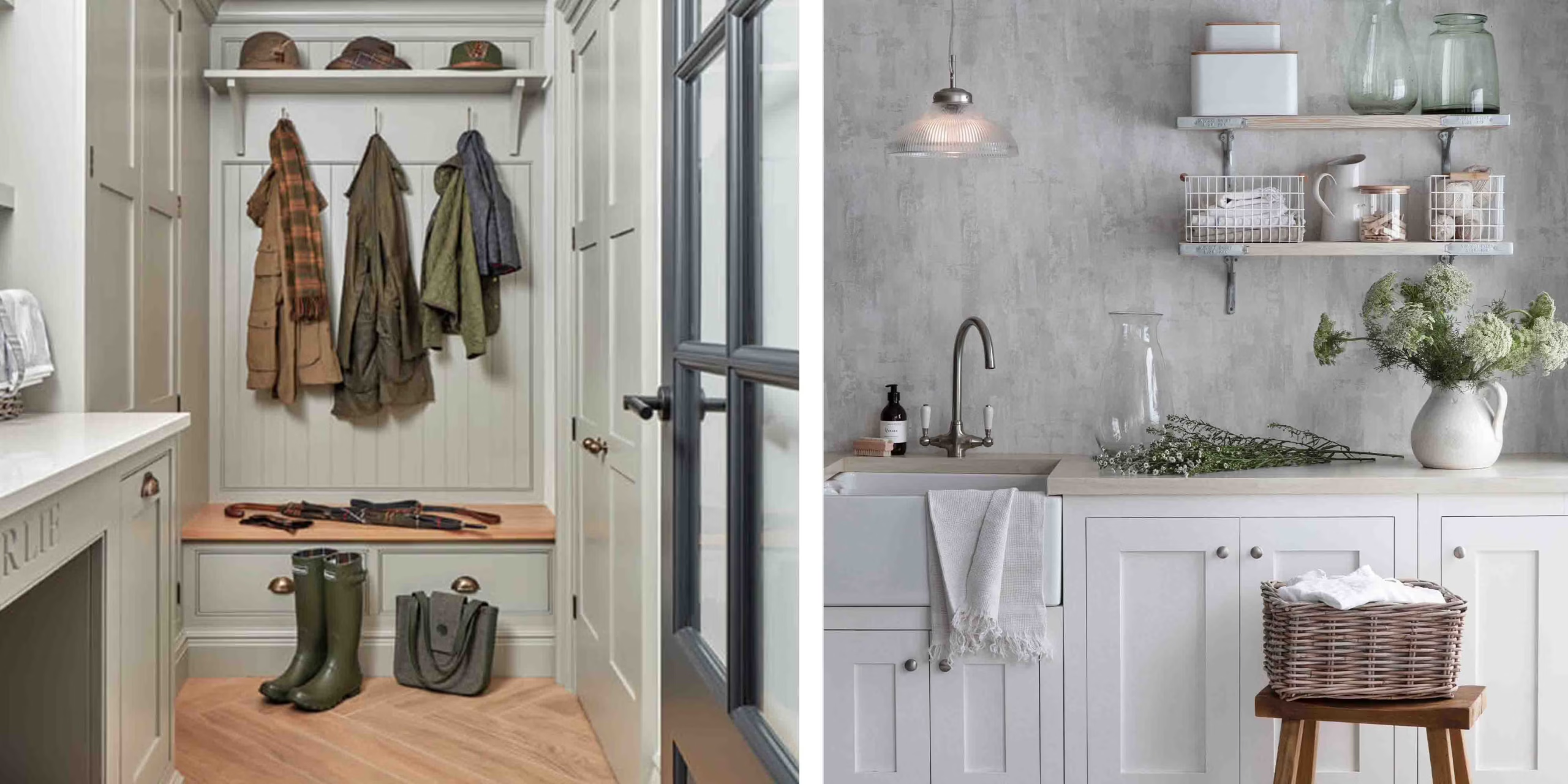
When you picture a classic country home, the image that often comes to mind isn’t a sleek, minimalist foyer or a high‑tech walk‑in closet. It’s a modest, weather‑worn doorway that leads to a boot room – a small, practical sanctuary where muddy boots, damp coats, and the day’s outdoor gear are welcomed, cleaned, and stored.
In the age of open‑plan living, the boot room may feel like a nostalgic relic, but in reality it’s a smart, functional space that can make country living—especially in the UK, Ireland, and other rain‑soaked regions—far more comfortable and organized. Below, we’ll explore why a boot room belongs in every country home, what essential features it should include, and creative ideas to make this humble room a stylish, multi‑purpose hub.
1. Why a Boot Room Still Matters
| Reason | What It Solves | Everyday Impact |
|---|---|---|
| Weather protection | Keeps mud, water, and grit from migrating into the main living areas | No more sliding muddy footprints across the kitchen floor. |
| Health & hygiene | Provides a place to dry and air‑out wet footwear before they touch carpet or rugs | Reduces mould, odour, and bacterial growth. |
| Organization | Dedicated storage for boots, umbrellas, gardening tools, sleds, skis, etc. | Everyone knows where to leave their gear—no more “where’s my boot?” hunting. |
| Energy efficiency | Acts as a buffer zone, limiting heat loss when the front door is opened | Keeps the interior warmer in winter and cooler in summer. |
| Aesthetic continuity | Offers an opportunity to showcase rustic charm that matches the country aesthetic | The boot room can become a visual welcome, setting the tone for the rest of the house. |
In short, a boot room is the first line of defence against the elements and a central hub for everyday logistics—a small but mighty room that pays off in comfort, cleanliness, and peace of mind.
2. Core Elements of a Functional Boot Room
| Element | Must‑Have Features | Optional Upgrades |
|---|---|---|
| Flooring | Slip‑resistant, water‑tight (e.g., quarry tiles, sealed concrete, vinyl). | Heated floor mats for quick drying. |
| Ventilation | Passive vents or a small extractor fan to move damp air out. | Dehumidifier or a vent‑connected air‑purifier for particularly damp climates. |
| Storage | Sturdy shoe racks (metal or reclaimed wood), bench with lift‑up seat, wall hooks for coats and umbrellas. | Lockable cupboards for tools, a pull‑out laundry basket for muddy socks. |
| Seating | A bench or low stool at sitting height—ideal for slipping boots on/off. | Bench with built‑in shoe dryer or storage compartments. |
| Lighting | Bright, daylight‑balanced LED fixtures; a small pendant or wall sconce for ambience. | Motion‑sensor lights that turn on when the door opens. |
| Water Management | Floor drain or a shallow tray to catch puddles; an absorbent mat at the entrance. | A built‑in boot‑scrubber or small wash basin for quick rinses. |
| Finishing touches | Durable wall paint (semi‑gloss) or wainscoting that can be wiped clean; a rug or runner that can be washed. | Vintage signs, reclaimed agricultural tools, or a chalkboard for notes and reminders. |
Even with a modest budget, you can hit all the must‑have items. The optional upgrades are where personality and extra convenience come in.
3. Designing the Boot Room for Country Living
a. Embrace Rustic Materials
Reclaimed barn wood, stone slates, or distressed timber give the space an authentic country feel while standing up to heavy use. Pair a wooden bench with metal hooks forged in a black finish for a farm‑yard vibe.
b. Integrate Greenery
A narrow hanging planter with hardy herbs (like rosemary or thyme) adds fragrance and a splash of colour. It also reminds you that the boot room is part of the home’s lived‑in environment, not just a utility closet.
c. Create a “Drop‑Zone” Flow
Place a mat right outside the front door, then a shower‑type tray inside before the bench. This staged approach encourages occupants to wipe, shake, and store gear methodically, reducing mess further inside.
d. Make It Multi‑Purpose
When you’re not in boot‑changing mode, the room can double as:
- Shoe polish station – a small workbench with brushes, polish, and a polishing cloth.
- Pet‑gear locker – hooks for leashes, a basket for dog coats or cat carriers.
- Seasonal gear depot – store winter sleds, summer hiking boots, or gardening tools after each season.
e. Add a Personal Touch
Country homes thrive on storytelling. Hang a framed vintage map of the local area, a wooden sign reading “Welcome Home,” or a reclaimed milk‑pail turned into a utensil holder for gardening gloves. These details turn a functional space into a warm, lived‑in nook.
4. Budget‑Friendly DIY Ideas
| DIY Project | Approx. Cost | Materials & Tools |
|---|---|---|
| Reclaimed pallet bench | £30‑£50 | Pallet wood, sandpaper, wood stain, screws, drill. |
| Wall‑mounted shoe rack | £15‑£25 | Heavy‑duty metal brackets, reclaimed wood slats, hooks. |
| Floor drain with tray | £40‑£60 | Simple PVC drain kit, epoxy sealant, waterproof tray liner. |
| Heated floor mat (optional) | £70‑£100 | Electric floor heating mat, thermostat, insulation board. |
| Chalkboard wall | £20‑£35 | Chalkboard paint, painter’s tape, small brush roller. |
Even a single weekend project—like installing a bench with built‑in storage—can instantly upgrade the boot room’s practicality and charm.
5. Real‑World Example: A Working Farmhouse
“When we first bought our 180‑acre farm, the original mudroom was a cramped closet under the stairs, constantly flooding with water from the fields. We knocked down the wall, installed quarry tiles, a bench with a hidden shoe dryer, and a small extractor fan. Not only does the boot room keep the house dry, but the kids love the chalkboard where we post the day’s weather forecast and the weekly gardening tasks. It’s become the unofficial command centre for the whole family.”
— Emma, County Durham
Takeaways: Flooring matters, ventilation prevents damp, and a simple chalkboard turns the space into a family hub.
6. Maintenance Tips to Keep the Boot Room Fresh
| Task | Frequency | How‑to |
|---|---|---|
| Sweep & mop floor | Weekly | Use a broom with stiff bristles; mop with a mild floor cleaner. |
| Clean bench & shoe racks | Monthly | Wipe with a damp cloth; check for splinters in wood. |
| Inspect ventilation | Quarterly | Ensure fan or vent is clear of dust; clean filters if applicable. |
| Refresh mats & runner | Every 6‑12 months | Wash or replace; rotate for even wear. |
| Treat wood & metal | Annually | Apply oil or rust‑preventive spray to keep surfaces weather‑resistant. |
Sticking to a simple schedule prevents the boot room from becoming a hidden “dirty room” and preserves its charm for years.
7. Final Thoughts: The Boot Room as a Lifestyle Choice
A boot room is more than a practical necessity; it’s a statement about how you live. In country living, where the outdoors is part of your daily rhythm, having a dedicated space to transition from “outside” to “inside” respects both the environment (by containing mud and moisture) and the home’s interior (by keeping it clean and comfortable).
Design it with function, durability, and rustic charm in mind, and you’ll find that this modest square metre quickly becomes a beloved part of your home’s flow—a place where families gather to swap stories about the day’s harvest, where kids learn to hang their boots properly, and where the house breathes a little easier every time the front door opens.
Ready to give your country home the boot room it deserves? Grab a few reclaimed pallets, lay down those sturdy tiles, and start turning muddy chaos into organized comfort.
Share your boot‑room makeover with us! Post photos in the comments or tag us on Instagram @CountryLivingCozy. We love seeing how you blend tradition with modern practicality.
Happy building, and may your boots always find a dry spot. ??
References & Further Reading
- The Rural Homeowner’s Handbook – Chapter 6: Mudrooms & Boot Rooms.
- British Standards for Domestic Wet Rooms (BS 8207).
- Living Green in the Country – Sustainable Materials for Home Renovations.
If you enjoyed this post, subscribe to our newsletter for monthly tips on country living, DIY projects, and seasonal home‑care guides.