
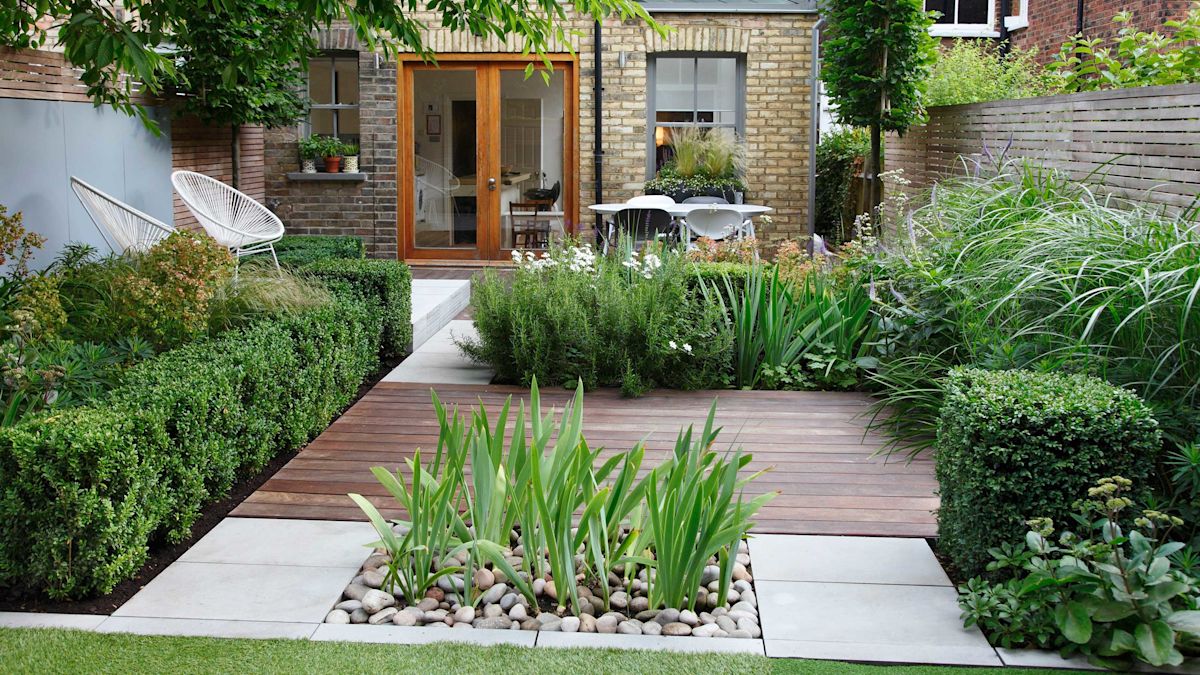
Having a small garden doesn’t mean you have to sacrifice functionality or style. In fact, compact outdoor spaces are the ultimate excuse to get creative. Whether you’re dreaming of a quiet sanctuary to escape with a book, a dedicated workspace, or simply a place to hide away the lawnmower, there is a miniature garden building designed specifically for your square footage.
If you think your outdoor space is too petite for a garden structure, think again. Here is a roundup of the best small garden building types tailored to suit compact gardens without overwhelming them.
The Ultra-Compact Shed (The “Shedette”)
Traditional sheds can easily swallow a tiny lawn, but manufacturers have caught on to the urban gardening trend. Enter the ultra-compact vertical shed or lean-to shed.
Best for: Storing tools, folding furniture, kids’ toys, and gardening supplies.
Why it works in small spaces: Instead of taking up precious ground area (the footprint), these sheds utilize vertical height. Lean-to styles fit flush against a house wall, fence, or boundary, blending seamlessly into the background while keeping your clutter out of sight.
The Micro Home Office / Pod
With remote work here to stay, many of us are craving a commute that involves walking across the lawn. Full-sized garden offices might be too large for compact gardens, but “micro-pods” are changing the game.
Best for: Working from home, a crafting studio, or a meditation nook.
Why it works in small spaces: These structures typically measure around 6×4 feet or 8×6 feet—just large enough for a desk, chair, and a window for natural light. Many feature contemporary flat roofs and clever insulation, meaning they don’t dominate the garden visually, especially if painted in dark, recessive colors like charcoal or forest green.
The Corner Summerhouse
In a small garden, the corners are often underutilized dead zones. Placing a specially designed corner summerhouse in the furthest corner of your plot is an interior design trick that actually makes the garden feel larger.
Best for: Enjoying a morning coffee, reading, or relaxing on warm summer evenings.
Why it works in small spaces: By cutting off the back corner of the square, the building tucks neatly into boundaries. Because it faces outward into the center of the garden, it draws the eye diagonally, creating an illusion of depth and space. Opt for glazed double doors to bounce light around and connect the interior to the greenery outside.
The Half-Glass Potting Shed
If you love to grow your own vegetables, flowers, and herbs from seed, a traditional greenhouse might take up too much visual weight. A half-and-half potting shed offers the best of both worlds.
Best for: Green-fingered enthusiasts who need both workspace and storage.
Why it works in small spaces: These buildings combine wooden tool storage on one side with large, glass windows on the other. Because the glass allows light to pass right through, the structure feels lighter and less obtrusive in a cramped garden than a solid wooden box.
The Living Pergola or Open-Sided Arbour
Sometimes, four walls and a door are just too much for a micro-garden. If you want a garden building that provides shelter and defines a seating area without blocking your view of the sky, an arbour or small pergola is the ideal choice.
Best for: Climbing plants, intimate seating, and sun protection.
Why it works in small-scale spaces: Open-sided structures have zero visual “bulk.” By training fragrant climbers like jasmine, wisteria, or climbing roses up the posts, you create a living architecture that feels organic, soft, and deeply connected to nature.
Pro-Tips for Installing a Building in a Small Garden
- Go Vertical: If you can’t build out, build up. Tall, narrow buildings draw the eye upward and save floor space.
- Embrace Multitasking: Choose a building that serves dual purposes—like a small shed with a built-in log store or fold-down potting bench.
- Paint It Wisely: Dark colors (charcoal, deep navy, black) make buildings recede into foliage, making the garden feel bigger. Light, bright colors make the structure a charming focal point.
- Keep Pathways Clear: Ensure your route to the building doesn’t cut awkwardly across your lawn or flower beds.
A small garden isn’t a limitation; it’s an invitation to design smarter. By choosing the right micro-building, you can transform your petite outdoor space into a highly functional, beautiful extension of your home.
Do you have a small garden? What kind of building are you hoping to add? Let us know in the comments below!