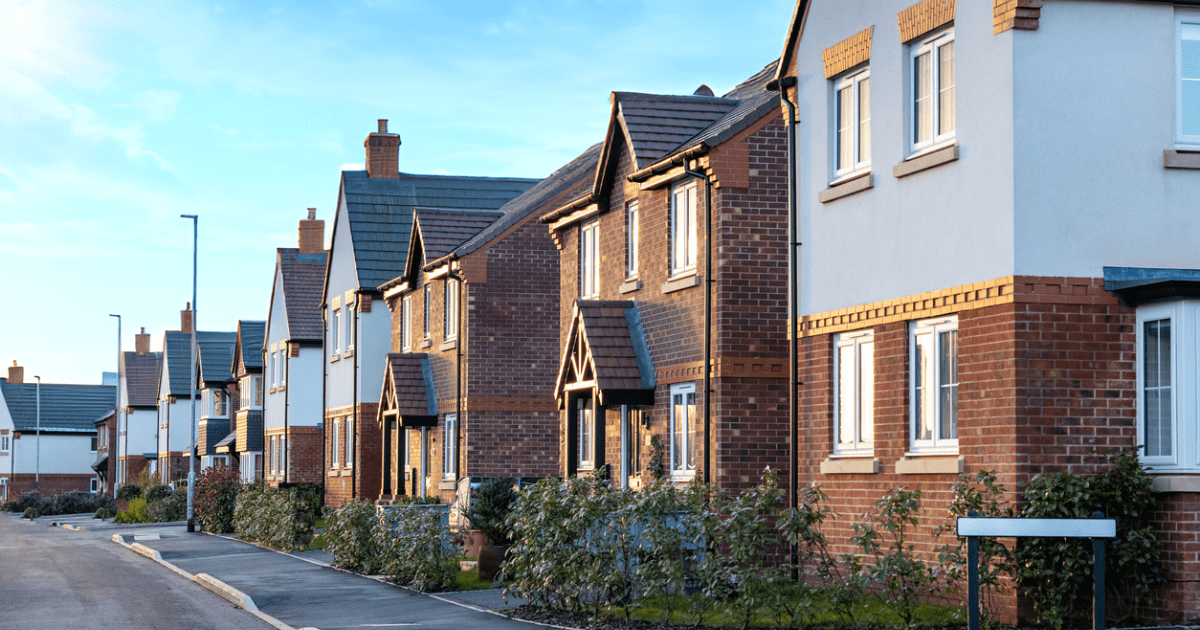
The period immediately following World War II (1945 onwards) fundamentally reshaped British society, impacting everything from urban planning to domestic living. While the need for rapid, affordable housing dominated the cities, the design of the… Post-War Design: How Architecture Transformed the English Country House
The thatched roof—a romantic, deeply textured canopy of straw or reed—evokes images of quaint cottages, ancient pubs, and a connection to a bygone agricultural past. Far from being a relic, modern thatching remains a highly… Thatch Roofs: Cost, Care, and Timeless Uniqueness
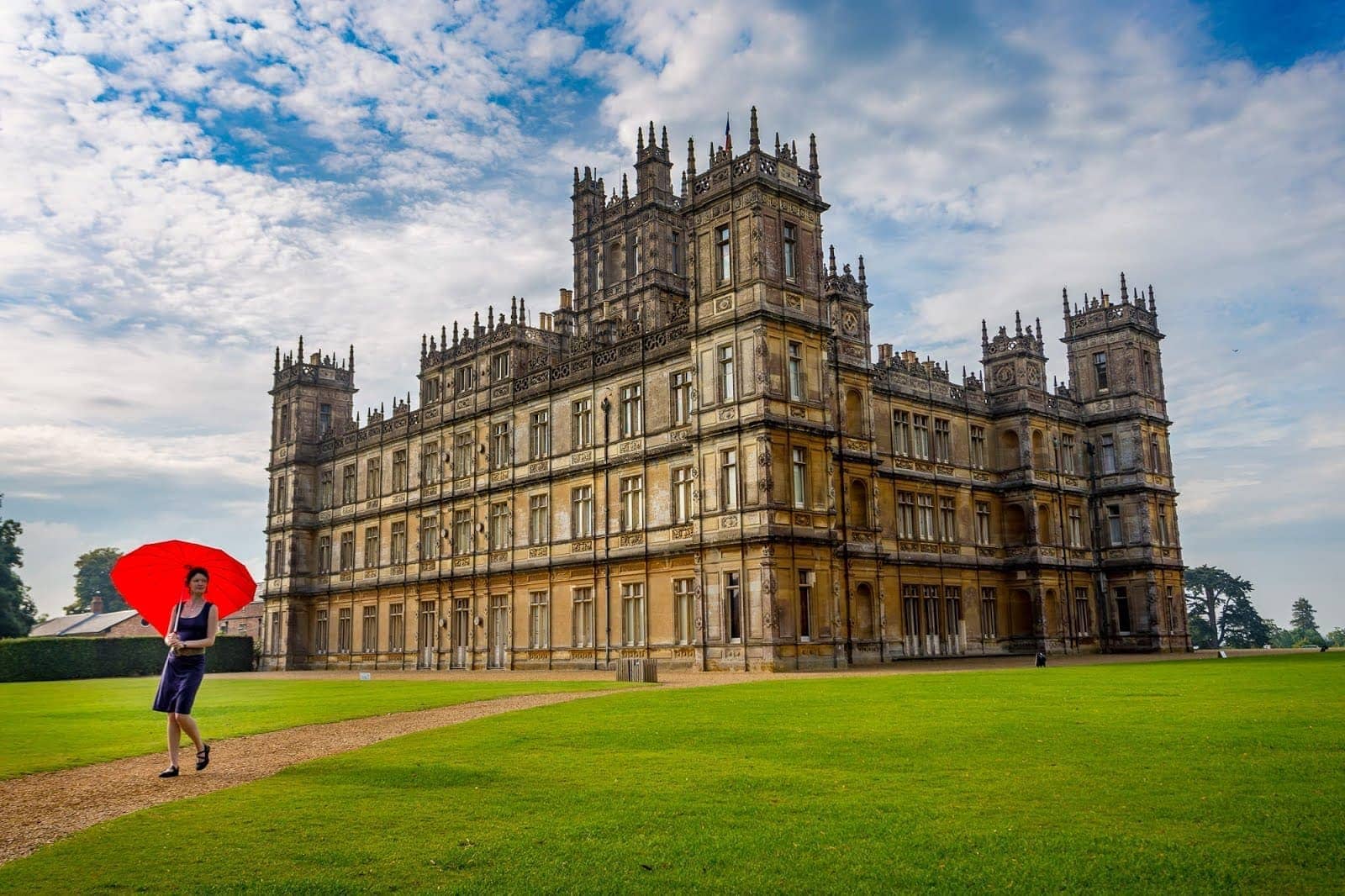
The manor house, an enduring symbol of European aristocracy and landed gentry, is more than just a grand residence. Its architecture and, crucially, its floor plan, are intricate blueprints revealing centuries of shifting social hierarchy,… Secrets of the Ancient Estate Layout
The Welsh stone cottage, or bwthyn in Welsh, is one of the most evocative images of the British countryside. Nestled into a hillside, often framed by the dramatic landscapes of Snowdonia or the Brecon Beacons,… The Enduring Charm and Durability of the Welsh Stone Cottage
The Scottish Baronial style (Scots Baronial) is arguably the most romantic and instantly recognizable architectural idiom to emerge from Scotland. A 19th-century Gothic Revival style, it sought to revive the fortified domestic architecture of the… The Distinctive Features of Scottish Baronial Architecture
Restoring a historic building is a deeply rewarding yet uniquely challenging endeavor. It’s an act of stewardship, connecting us with the past while ensuring a structure’s viability for the future. Unlike standard renovation, historic building… Preserving the Past: Essential Know-How for Historic Building Restoration
Chimneys and their crowning feature, the chimney stack, are often the most defining, yet most overlooked, elements of a historic building’s silhouette. Far from being mere utilitarian pipes, these structures are steeped in history, embodying… The Iconic Silhouette: Historic Chimneys’ Dual Role in Architecture
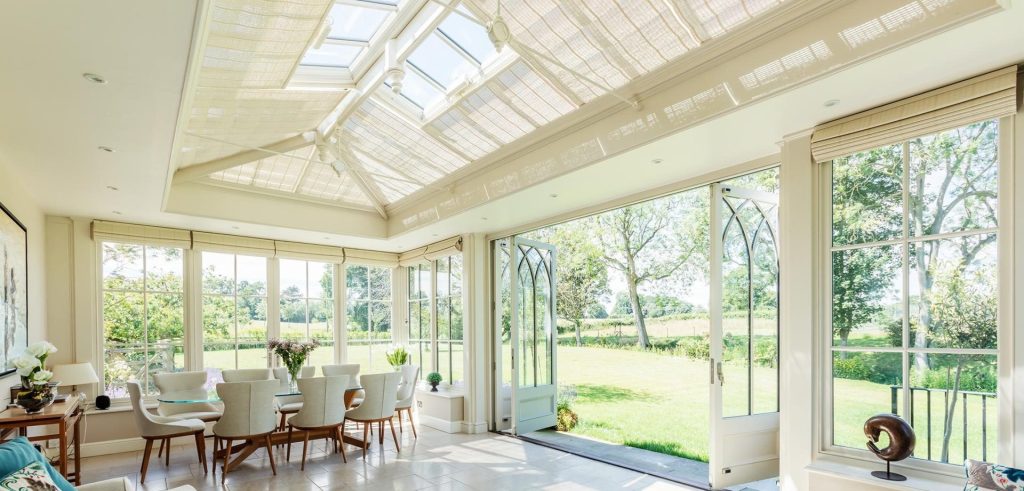
The British have a long-standing, unwavering passion for natural light. In a climate often characterized by soft, diffused daylight rather than blazing sunshine, architectural elements designed to maximize every ray are highly prized. This devotion… Bay Windows & Conservatories: Britain’s Architectural Love Affair with Glass
In architecture and home design, true authenticity often lies in the smallest details. While modern construction favors large, single sheets of glass for maximum light and minimal maintenance, it’s a departure from centuries of building… Muntin Windows: The Essential Detail for Authentic Architectural Style
The Hall is arguably the most significant architectural feature in the history of British domestic architecture. Far from being a simple entrance, the Hall has always served as the symbolic and functional heart of the… Hall Planning: The Evolution of the Central Space in British Manor Houses
Few properties evoke the same sense of quintessential English country living and tranquil charm as The Old Rectory. Once the official residence of the parish priest or rector, these homes—often situated in the heart of… The Old Rectory: How Church Houses Became a Symbol of Country Charm
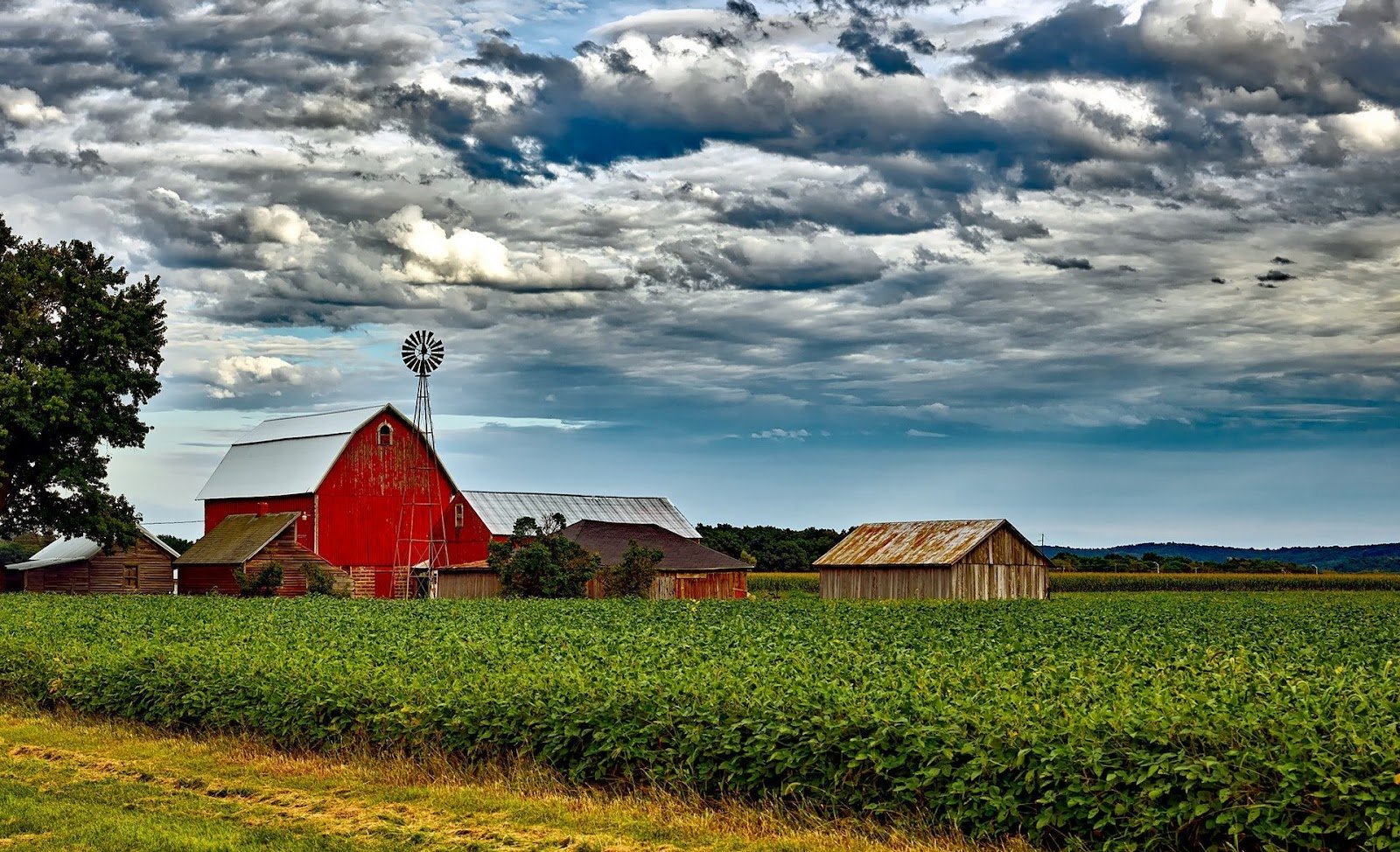
The charm of a barn conversion lies in its perfect marriage of rustic history and contemporary luxury. Once humble structures designed for agriculture, old barns are now being reimagined as some of the most unique… Conversion Barn: Transforming Old Barns into Luxurious Living