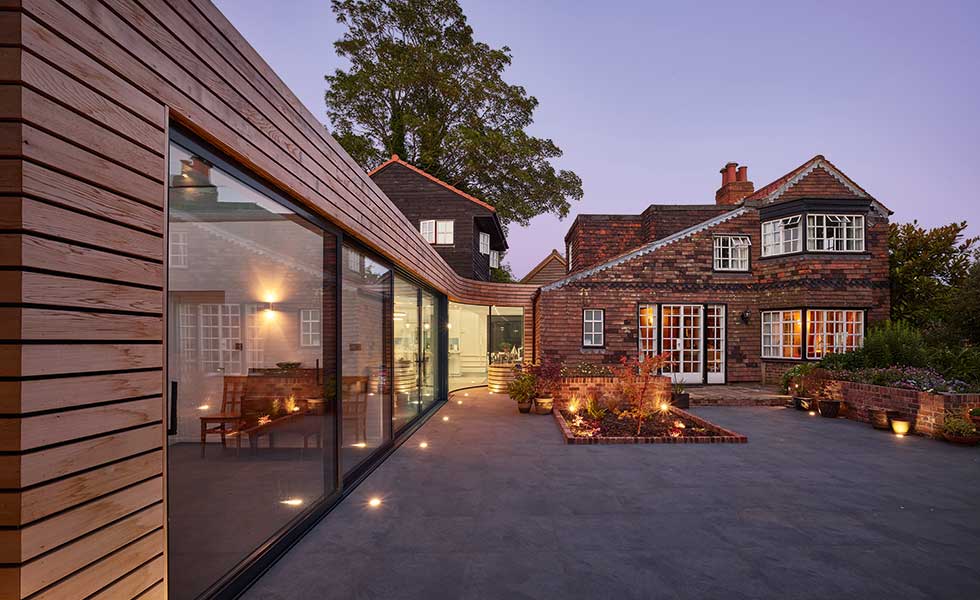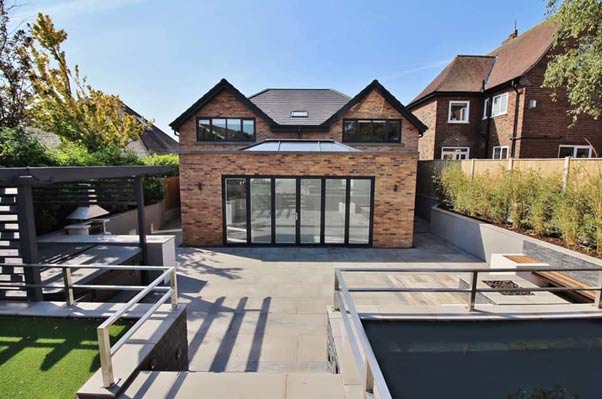
If you’re looking to boost the market price of your home without sinking a fortune into a full‑blown rebuild, you’re in the right place. The UK property market still rewards smart, targeted upgrades that deliver high returns on investment (ROI). Below is a step‑by‑step guide to the most reliable projects that can realistically add £50 k to your sale price – and the figures you need to know before you start. Why £50 k Matters Property price band Typical increase needed to add £50 k % uplift required £250 k – £350 k ~15–20% 14–20% £350 k – £500 k ~10–15% 9–12% £500 k+ ~5–10% 7–12% In lower‑price brackets, you…

The Best Rural Areas to Live in England: From the Cotswolds to the Peak District
Imagine waking up to rolling hills, honey‑coloured stone cottages, and the gentle hum of wildlife instead of traffic horns. England’s countryside offers a blend of historic charm, modern convenience, and a quality of life that many city‑dwellers crave. Below is a curated guide to the country’s most desirable rural havens – perfect for anyone looking to trade the concrete jungle for a slice of pastoral paradise. Why Rural England Is Making a Comeback What you gain What you give up Who it suits Space & privacy – larger gardens, stables, orchards Longer commutes – most villages are 30‑60 min from a major rail…
Thatch Roof Maintenance: Everything You Need to Know About “Master Reed”
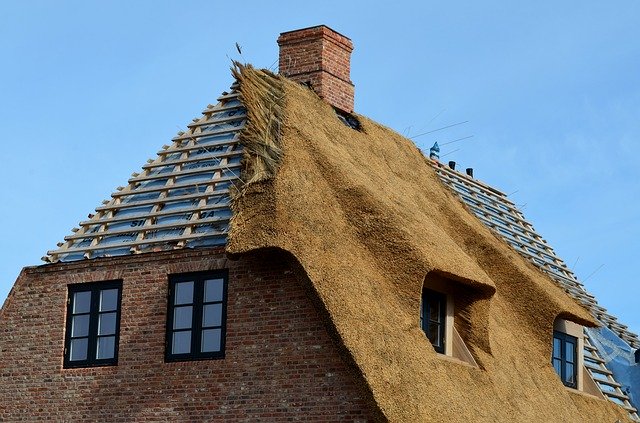
If you’ve ever walked past a charming cottage with a golden, weather‑worn roof, you’ve seen a thatch roof at work. While its rustic appeal never goes out of style, keeping a thatch roof in top condition takes a little know‑how—especially when it comes to the secret weapon that roof‑ers call “master reed.” In this post we’ll unpack everything you need to know about thatch roof maintenance, why master reed matters, and how you can protect your investment for decades to come. Why Thatch Roofs Still Matter in the 21st Century Pros Cons Aesthetic charm – Instant curb‑appeal, especially for period homes,…
Living Off‑Grid in the UK: Solar Panels, Septic Tanks, and Boreholes
The appeal of living off‑grid has gone from fringe hobby to mainstream aspiration. With rising electricity bills, growing concerns over climate change, and an increasing desire for self‑sufficiency, more Britons are eyeing remote cottages, converted barns, and even purpose‑built tiny houses as their next home. But “off‑grid” isn’t just a buzzword – it’s a concrete lifestyle that requires careful planning around three core utilities: Utility Why It Matters Typical UK Solution Power Keeps lights, appliances, heating and electric vehicles alive Solar PV arrays + battery storage Waste Properly managing sewage is a legal requirement Septic tanks / composting toilets Water…
Cottagecore Style: Bringing the English Countryside into Your Home
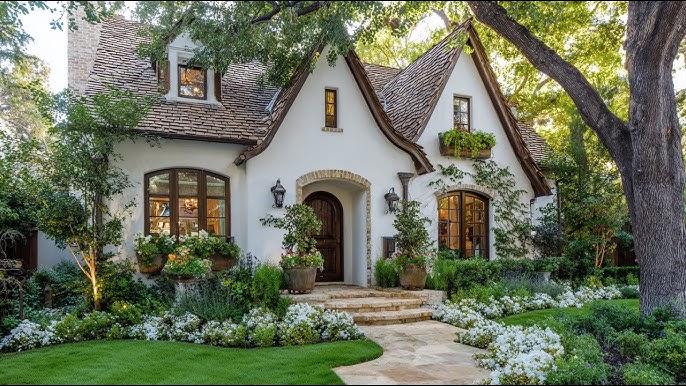
Cottagecore isn’t just an Instagram hashtag—it’s a lifestyle that celebrates simplicity, nature, and the comforting charm of an English countryside cottage. Originating from a nostalgic yearning for slower, hand‑made living, the aesthetic blends: When you invite cottagecore into your home, you’re not only upgrading your décor—you’re creating a sanctuary that soothes the senses and invites mindful moments. 1. Start With a Colour Story Cottagecore thrives on a gentle, muted palette that mirrors the rolling hills, misty mornings, and blooming gardens of rural England. Colour How to Use It Example Creamy ivory Walls, large furniture pieces, curtains A linen‑draped sofa in…
Scaffolding Etiquette: Managing Your Neighbours During a Big Build
Whether you’re turning a Victorian terrace into a modern loft or adding a new extension to a family home, a scaffold is the unsung hero of any major renovation. But while the steel frame lets you reach new heights, it can also bring a wave of noise, dust, and visual clutter that spreads far beyond your property line. Good scaffolding etiquette isn’t just about keeping the site tidy—it’s about preserving good relationships with the people who live next door, protecting your reputation, and even avoiding costly disputes. In this post we’ll walk you through a step‑by‑step plan for managing neighbours…
Listed Buildings: The Pros and Cons of Owning a Grade II Property
Walking past a Victorian terrace with its ornate cornice, or spotting a 17th‑century farmhouse tucked behind a hedgerow, you’ve probably felt a flash of admiration for the craftsmanship of a bygone era. In the UK, many of these architectural gems are listed – legally protected because of their historic or architectural importance. If you’re considering buying one, you’ll most likely encounter Grade II properties – the workhorse of the listing system, accounting for over 90 % of all listed buildings. They’re the charming three‑bedroom townhouses, the converted barns, the art‑deco cinemas that give our streets character. But owning a Grade II building is not just about bragging rights. It…
The Rise of Timber Frame Construction: Why It’s Gaining Popularity in Britain
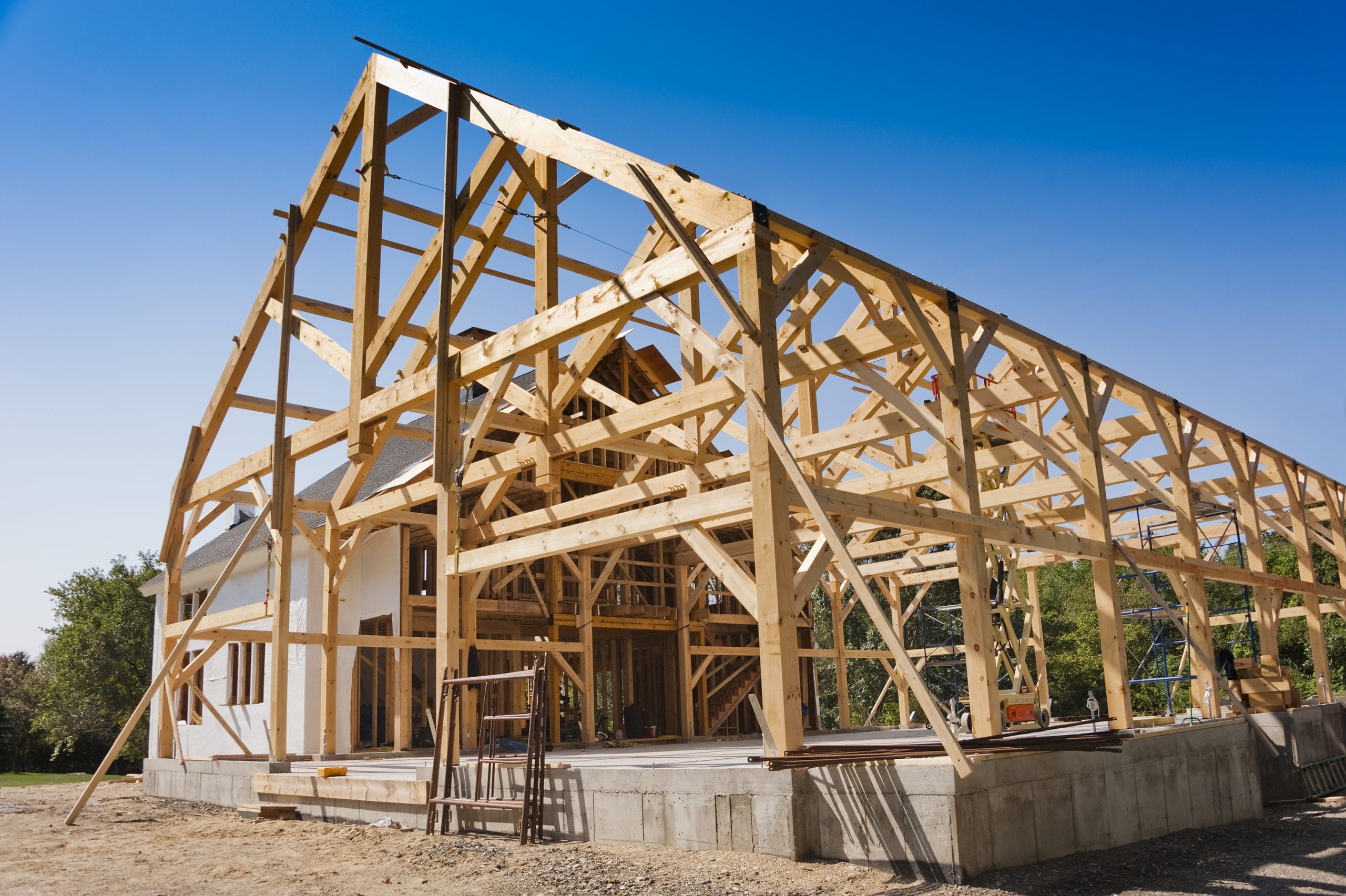
If you walk through a new housing development in the Midlands, the South‑East, or even the highlands of Scotland, you’re more likely to spot sleek, timber‑clad homes than the brick‑and‑mortar blocks of a decade ago. Timber‑frame construction, once a niche market for eco‑enthusiasts, has surged into the mainstream of British building. In this post we’ll explore the drivers behind this shift, the benefits that timber brings to developers and homeowners, and what the future may hold for the UK’s timber‑frame boom. 1. A Green Agenda That Actually Works Why it matters Timber’s contribution Carbon reduction Wood stores carbon – ≈ 1 tonne of CO₂…
Insulating Your Home: A Clear‑Cut Comparison of Internal, External, and Cavity Wall Insulation
When it comes to making your home more comfortable, cutting energy bills, and reducing carbon emissions, insulation is the unsung hero. In the UK, where the weather can swing from chilly drizzles to scorching heatwaves, a well‑insulated house is a ticket to year‑round comfort. But “insulation” isn’t a one‑size‑fits‑all solution. Depending on the construction of your property, your budget, and your aesthetic preferences, you might choose Internal Wall Insulation (IWI), External Wall Insulation (EWI), or Cavity Wall Insulation (CWI). Each method has its own set of advantages, drawbacks, and ideal scenarios. In this post we’ll break down the three main types, compare them…
Permitted Development Rights: How to Extend Your Home Without a Full Planning Application
If you’ve ever dreamed of adding a loft conversion, a rear extension or a single‑storey side wing, the thought of a lengthy, costly planning application can feel like a dead‑end. In England (and much of the UK), Permitted Development Rights (PDR) give you a legal shortcut to expand your home without the need for a full planning permission. This guide walks you through everything you need to know – from the basics of PDR to a step‑by‑step checklist that will help you get your extension approved quickly and compliantly. 1. What Exactly Are Permitted Development Rights? Permitted Development Rights (PDR) are a set…
The Beginner’s Guide to UK Planning Permission: What You Can and Can’t Do
If you’ve ever looked at a property and thought “I could turn that garage into a loft” or “What if I split this house into two flats?”, the first question you’ll hear is: “Do I need planning permission?” In the UK, planning permission is the tool local councils use to control how land and buildings are developed. Getting it right (or knowing when you don’t need it) can save you months of delay, money, and a hefty dose of frustration. This guide breaks down the basics, the do‑and‑don’ts, and the steps you need to follow, all written in plain English…