Renovating? Turn the chaos of construction into an opportunity to future‑proof your home with a truly “smart” wiring backbone. Why Hard‑Wiring Beats Plug‑and‑Play Plug‑and‑Play (wireless‑first) Hard‑Wired Backbone Easy to start – just snap a hub into a power outlet. Higher upfront cost – requires electrician time and materials. Limited range – Wi‑Fi dead zones, interference from neighbors, and crowded 2.4 GHz bands. Rock‑solid reliability – Ethernet, powerline, and fiber run directly to each device. Latency spikes – video streams, voice assistants, and security cameras can stutter. Low latency – near‑instant response for lighting, HVAC, and security systems. Security gaps – each new device is a new attack surface.…

Damp Proofing in the UK: How to Tackle Rising Damp in Older Homes
If you’ve ever walked into a room that smelled of damp earth, noticed salty crusts on your walls, or found paint peeling for no apparent reason, you’re probably dealing with rising damp. For owners of Victorian terraces, Edwardian semi‑detached houses, or any other period property, this is a common—and often frustrating—issue. Below is a practical, step‑by‑step guide to diagnosing, treating, and preventing rising damp in older UK homes. 1. What Exactly Is Rising Damp? Feature Description Definition Moisture that climbs up porous walls from the ground, driven by capillary action. Typical Height Usually affects the lower 1 m – 1.5 m of a wall,…
Finding a Reliable Builder: How to Vet Contractors and Avoid “Cowboys”
When you’re ready to turn a blueprint into reality, the last thing you want is a “cowboy” contractor riding off into the sunset with half‑finished work, empty promises, and a dented budget. The good news? With a little homework and a solid vetting process, you can separate the pros from the charlatans and protect both your home and your hard‑earned money. 1. Start With a Clear Scope (Before You Even Call a Contractor) Why It Matters What to Do Sets expectations – both you and the builder know what’s on the table. Write a project brief: size, materials, timeline, budget ceiling, and…
The Cost of an Extension in 2026 – A Detailed Breakdown of Current Material Prices
The last few years have been a roller‑coaster for the building sector: post‑pandemic labour shortages, the fallout from the Ukraine conflict, and a wave of green‑building mandates have all left their fingerprint on material costs. If you’re planning a kitchen‑plus‑loft conversion, a two‑storey family extension, or a modest garden office, you’ll need a realistic budget today—not the numbers you saw three years ago. Below, we unpack the most common materials, their 2026 price points, and the factors that are driving them. All prices are average UK/ROI retail rates per unit (excluding VAT) and are rounded to the nearest whole figure for clarity. Prices…
Loft Conversions 101: Dormer vs. Velux — Which Is Right for Your Roof?
If you’ve ever stared at the empty space above your bedroom and imagined a new office, playroom, or master suite, you’re not alone. In the UK, a loft conversion is the fastest route to adding square footage without the hassle of an extension. But before you call a builder, you’ll need to decide how you want to bring light and headroom into that cramped attic. The two most popular options are dormer extensions and Velux (roof window) conversions. Below we break down the differences, weigh the pros and cons, and give you a decision‑making checklist so you can choose the solution that fits your…
Doors and Handles: Why the Right Hardware Is the Secret Sauce of Authentic Design
When you walk into a historic home, a boutique hotel, or even a thoughtfully styled modern loft, the first thing you notice isn’t always the paint color or the furniture arrangement—it’s the door. Not just the slab of wood or the sleek panel, but the handle, hinge, lock, and all the little bits of metal that make the door work. Those seemingly‑minor details are the unsung heroes of architectural authenticity. In this post we’ll explore why hardware matters, how the right choice can instantly elevate a space, and what you can do—whether you’re a homeowner, designer, or preservationist—to make sure your…
Antiques: How to Integrate Old Furniture into a Modern Cottage
Bringing the Past into the Present without Losing the Light, Airy Feel of Cottage Living When you step into a modern cottage, you expect open‑plan spaces, crisp white walls, and a light‑filled aesthetic that feels almost like a breath of fresh country air. Yet there’s something magical about a weathered sideboard or a carved mahogany armchair that whispers stories from another era. The trick is not to let the old overpower the new, but to let the two dialogue—creating a home that feels both timeless and undeniably contemporary. Below is a step‑by‑step guide (plus some insider secrets) for weaving cherished antiques into…
Farrow & Ball & Little Greene: A Guide to Iconic British Paints
The colour‑curated story behind the two most celebrated paint houses in the UK – and how to make their timeless hues work in your home. Introduction – Why British Paints Have a Cult Following If you’ve ever walked through a historic townhouse in Bath, a sleek London loft, or a cottage on the Cotswolds, you’ve probably noticed a common thread: rich, nuanced colour, flawless finish, and a whisper of heritage. Those qualities belong to two British paint legends – Farrow & Ball and Little Greene. Both brands have turned something as ordinary as wall paint into a design‑driven, environmentally‑conscious product. Their palettes are more than just…
Rich Colors: How to Use Deep Green, Blue, and Burgundy in Small Rooms
When you think of tiny spaces, you might picture white walls, pastel curtains, and an endless sea of neutrals. But a splash of richness can turn a cramped nook into a cozy, stylish retreat. Below is a step‑by‑step guide to weaving deep green, blue, and burgundy into small rooms without making them feel boxed‑in. 1. Why Rich Colors Actually Enlarge a Small Space Myth Reality Dark paint makes a room look smaller. The right amount of depth creates an intimate “cocoon” feeling that expands the perception of space, especially when balanced with light accents. You must paint the whole room the same color. A…
The Boot Room: An Essential Space for Country Living
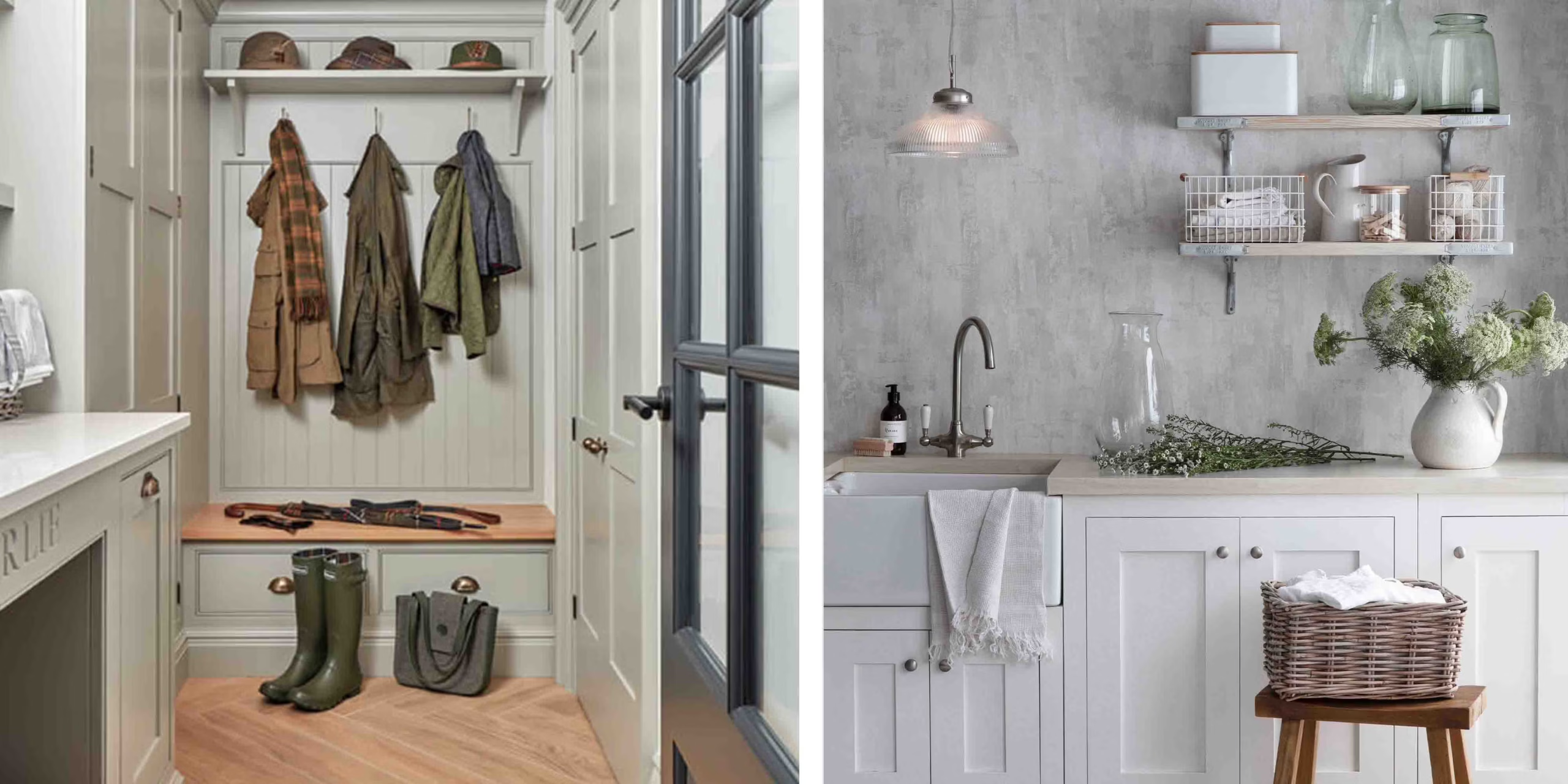
When you picture a classic country home, the image that often comes to mind isn’t a sleek, minimalist foyer or a high‑tech walk‑in closet. It’s a modest, weather‑worn doorway that leads to a boot room – a small, practical sanctuary where muddy boots, damp coats, and the day’s outdoor gear are welcomed, cleaned, and stored. In the age of open‑plan living, the boot room may feel like a nostalgic relic, but in reality it’s a smart, functional space that can make country living—especially in the UK, Ireland, and other rain‑soaked regions—far more comfortable and organized. Below, we’ll explore why a boot room belongs…
Water Supply in the UK: Practical Solutions for Remote Homes (Boreholes & Wells)
Living off‑grid or in a remote part of the countryside can feel like a dream, but it also brings a practical challenge that most city‑dweller never worries about: how do you get reliable, safe water? In the UK, about 5 % of households are not connected to the mains water network. For many of these homes—mountain cottages, isolated farms, or eco‑villages—boreholes and wells offer the most realistic route to a steady water supply. In this post we’ll walk through: Grab a cuppa (from your own well, perhaps?) and let’s dive in! 1. Why Boreholes & Wells Are the Preferred Options Factor Borehole (deep) Well (shallow)…
Electrical Installations in Old UK Homes: Upgrading Wiring and Safety Standards
If you’ve just bought a charming Victorian terrace, a 1930s semi‑detached, or a Grade‑II listed cottage, you’ve probably fallen in love with the period details—high ceilings, sash windows, original cornices. But behind those beautiful features many older properties hide a less‑appealing secret: outdated, unsafe, or simply inadequate electrical installations. In this post we’ll walk you through why upgrading the wiring in an old UK home is essential, what the current safety standards demand, and step‑by‑step guidance on how to bring your electrics into the 21st century—without compromising the character that made you fall in love in the first place. 1. Why Old Wiring Needs a…