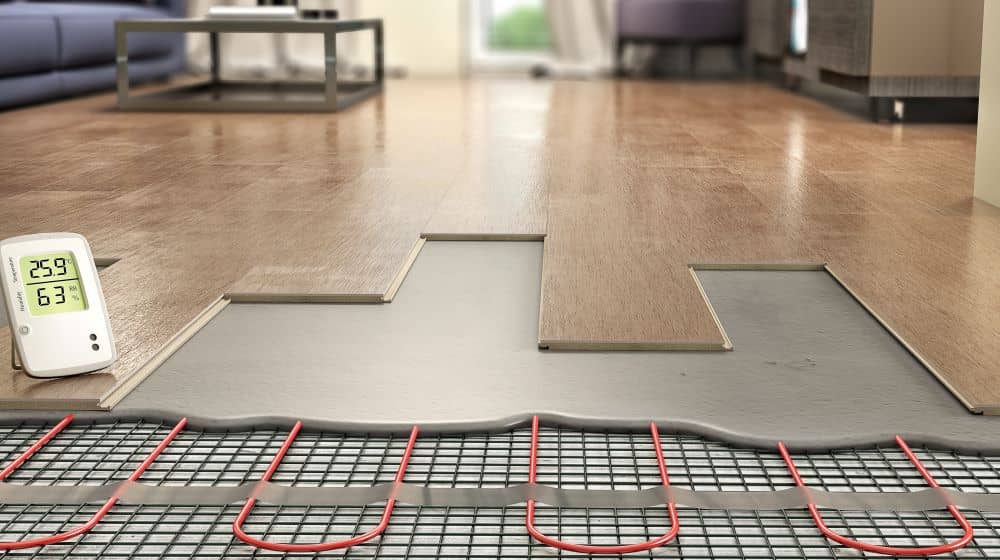
There’s nothing quite like the feeling of stepping onto a warm floor on a chilly winter morning. Underfloor heating (UFH) has transformed from a luxury indulgence into a standard feature of modern home design, prized for its energy efficiency, space-saving benefits, and consistent comfort. But a common question stops many homeowners in their tracks: “Can I install underfloor heating under my existing floors, or do I need to tear everything up?” The answer is: it depends. Compatibility relies on how well your flooring material conducts heat and how it reacts to temperature fluctuations. Here is your guide to understanding which floors…
Articles
Escape to Your Backyard: How to Transform Your Shed into a Personal Sanctuary
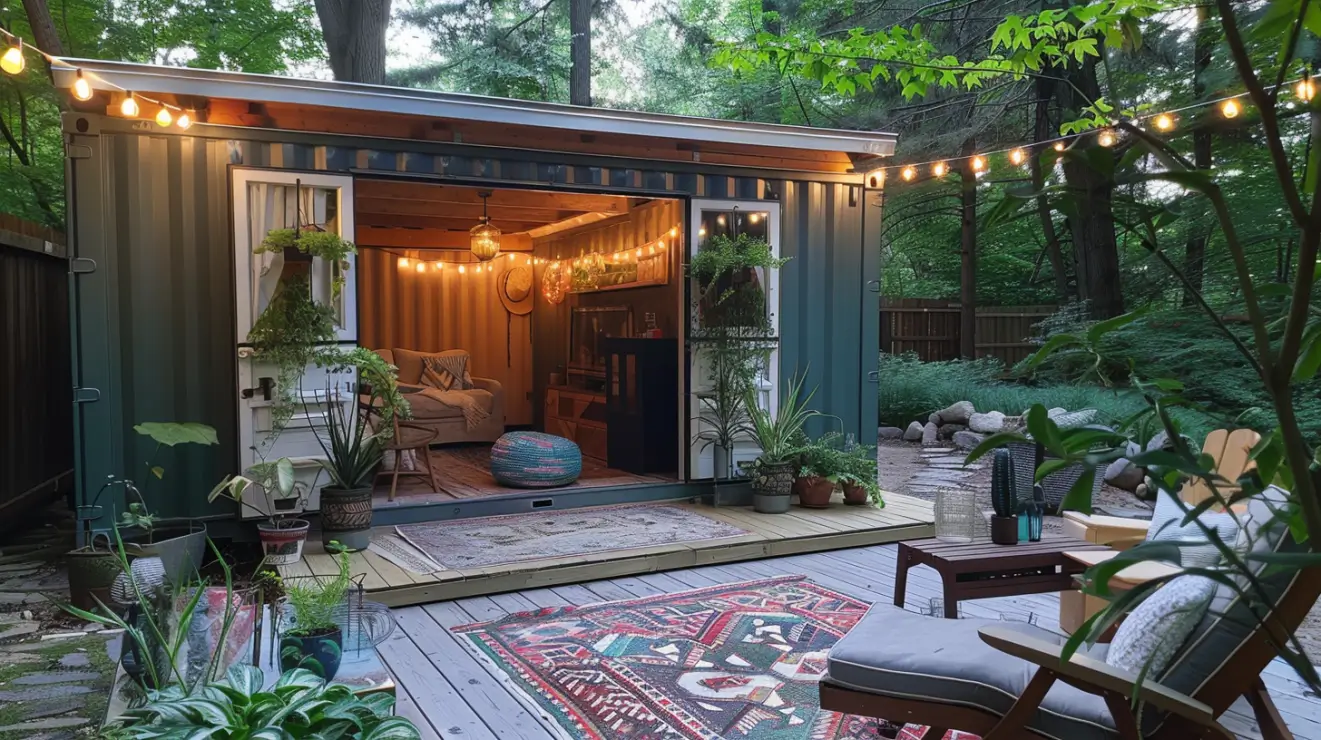
We all crave a little extra space. Whether it’s a dedicated corner to unleash your creativity, a place to watch the game without interruption, or just a quiet nook to escape the chaos of household life, the solution might be sitting just a few yards away in your backyard. That weathered garden shed, currently housing nothing but rusty rakes and half-empty paint cans, is a goldmine of potential. It’s time to stop thinking of your outbuilding as storage and start seeing it as your new favorite destination. Here is how to turn a basic shed into the ultimate “She-Shed” or…
Fortress in the Field: A Guide to Securing Your Country Home
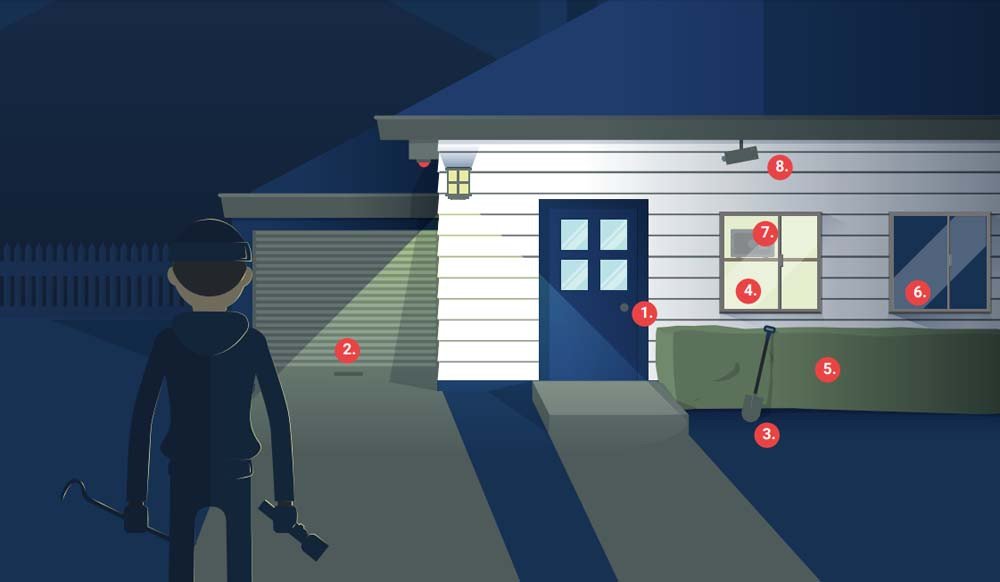
There is an undeniable magic to country living. The silence, the sprawling views, and the absence of neighbors peering over the fence offer a sense of freedom that city dwellers can only dream of. However, that seclusion comes with a unique set of challenges. When your home is tucked away down a long gravel driveway, miles from the nearest patrol car or prying neighborly eye, it becomes a distinct target. Protecting an isolated property requires a different mindset than securing a suburban home. If you’re looking to turn your rural retreat into a secure sanctuary, here is how to harden…
The “Snagging List”: What to Look for Before Signing Off on a New Build
If you’ve ever walked through a brand‑new house and thought, “It looks perfect… except for that loose kitchen tap,” you’ve already experienced the reality of snagging. In the world of new‑build property, a snagging list is the final safety net that protects you from hidden defects, unfinished work, and costly surprises after you hand over the keys. In this post we’ll break down everything you need to know about snagging – what it is, why it matters, and, most importantly, exactly what to look for before you sign the completion paperwork. Grab a notebook (or open a new note on your phone) –…
Transform Your Backyard: How to Lay a Stunning Patio in One Weekend
There’s something incredibly satisfying about looking out at your backyard and seeing a space designed for relaxation, dining, and summer sunsets. If your garden is currently nothing more than a patch of grass, a patio is the ultimate upgrade—and the best part? It’s a project you can tackle over a single weekend. While it’s definitely a workout, laying a patio is a rewarding DIY task that can save you thousands in professional labor costs. Ready to level up your outdoor living? Here is your step-by-step guide to laying a professional-looking patio. Step 1: Planning and Prep (Friday Evening) Don’t skip…
The Essential Toolkit: 10 Tools Every Homeowner Should Own
Congratulations—you’ve officially entered the world of homeownership! Whether you’re hanging your first picture frame or tackling a weekend DIY project, there is one reality you’ll quickly face: things break, and things need adjusting. Before you find yourself frantically running to the hardware store in the middle of a plumbing mishap, it’s best to be prepared. You don’t need a professional workshop to handle 90% of home maintenance tasks. You just need the right essentials. Here are the 10 tools every homeowner should have in their kit. 1. The Tape Measure (25-foot) Measure twice, cut once. From figuring out if a…
The Best Rural Areas to Live in England: From the Cotswolds to the Peak District
Imagine waking up to rolling hills, honey‑coloured stone cottages, and the gentle hum of wildlife instead of traffic horns. England’s countryside offers a blend of historic charm, modern convenience, and a quality of life that many city‑dwellers crave. Below is a curated guide to the country’s most desirable rural havens – perfect for anyone looking to trade the concrete jungle for a slice of pastoral paradise. Why Rural England Is Making a Comeback What you gain What you give up Who it suits Space & privacy – larger gardens, stables, orchards Longer commutes – most villages are 30‑60 min from a major rail…
Thatch Roof Maintenance: Everything You Need to Know About “Master Reed”
If you’ve ever walked past a charming cottage with a golden, weather‑worn roof, you’ve seen a thatch roof at work. While its rustic appeal never goes out of style, keeping a thatch roof in top condition takes a little know‑how—especially when it comes to the secret weapon that roof‑ers call “master reed.” In this post we’ll unpack everything you need to know about thatch roof maintenance, why master reed matters, and how you can protect your investment for decades to come. Why Thatch Roofs Still Matter in the 21st Century Pros Cons Aesthetic charm – Instant curb‑appeal, especially for period homes,…
Living Off‑Grid in the UK: Solar Panels, Septic Tanks, and Boreholes
The appeal of living off‑grid has gone from fringe hobby to mainstream aspiration. With rising electricity bills, growing concerns over climate change, and an increasing desire for self‑sufficiency, more Britons are eyeing remote cottages, converted barns, and even purpose‑built tiny houses as their next home. But “off‑grid” isn’t just a buzzword – it’s a concrete lifestyle that requires careful planning around three core utilities: Utility Why It Matters Typical UK Solution Power Keeps lights, appliances, heating and electric vehicles alive Solar PV arrays + battery storage Waste Properly managing sewage is a legal requirement Septic tanks / composting toilets Water…
Cottagecore Style: Bringing the English Countryside into Your Home
Cottagecore isn’t just an Instagram hashtag—it’s a lifestyle that celebrates simplicity, nature, and the comforting charm of an English countryside cottage. Originating from a nostalgic yearning for slower, hand‑made living, the aesthetic blends: When you invite cottagecore into your home, you’re not only upgrading your décor—you’re creating a sanctuary that soothes the senses and invites mindful moments. 1. Start With a Colour Story Cottagecore thrives on a gentle, muted palette that mirrors the rolling hills, misty mornings, and blooming gardens of rural England. Colour How to Use It Example Creamy ivory Walls, large furniture pieces, curtains A linen‑draped sofa in…
Scaffolding Etiquette: Managing Your Neighbours During a Big Build
Whether you’re turning a Victorian terrace into a modern loft or adding a new extension to a family home, a scaffold is the unsung hero of any major renovation. But while the steel frame lets you reach new heights, it can also bring a wave of noise, dust, and visual clutter that spreads far beyond your property line. Good scaffolding etiquette isn’t just about keeping the site tidy—it’s about preserving good relationships with the people who live next door, protecting your reputation, and even avoiding costly disputes. In this post we’ll walk you through a step‑by‑step plan for managing neighbours…
Permitted Development Rights: How to Extend Your Home Without a Full Planning Application
If you’ve ever dreamed of adding a loft conversion, a rear extension or a single‑storey side wing, the thought of a lengthy, costly planning application can feel like a dead‑end. In England (and much of the UK), Permitted Development Rights (PDR) give you a legal shortcut to expand your home without the need for a full planning permission. This guide walks you through everything you need to know – from the basics of PDR to a step‑by‑step checklist that will help you get your extension approved quickly and compliantly. 1. What Exactly Are Permitted Development Rights? Permitted Development Rights (PDR) are a set…
The Beginner’s Guide to UK Planning Permission: What You Can and Can’t Do
If you’ve ever looked at a property and thought “I could turn that garage into a loft” or “What if I split this house into two flats?”, the first question you’ll hear is: “Do I need planning permission?” In the UK, planning permission is the tool local councils use to control how land and buildings are developed. Getting it right (or knowing when you don’t need it) can save you months of delay, money, and a hefty dose of frustration. This guide breaks down the basics, the do‑and‑don’ts, and the steps you need to follow, all written in plain English…
Finding a Reliable Builder: How to Vet Contractors and Avoid “Cowboys”
When you’re ready to turn a blueprint into reality, the last thing you want is a “cowboy” contractor riding off into the sunset with half‑finished work, empty promises, and a dented budget. The good news? With a little homework and a solid vetting process, you can separate the pros from the charlatans and protect both your home and your hard‑earned money. 1. Start With a Clear Scope (Before You Even Call a Contractor) Why It Matters What to Do Sets expectations – both you and the builder know what’s on the table. Write a project brief: size, materials, timeline, budget ceiling, and…
The Cost of an Extension in 2026 – A Detailed Breakdown of Current Material Prices
The last few years have been a roller‑coaster for the building sector: post‑pandemic labour shortages, the fallout from the Ukraine conflict, and a wave of green‑building mandates have all left their fingerprint on material costs. If you’re planning a kitchen‑plus‑loft conversion, a two‑storey family extension, or a modest garden office, you’ll need a realistic budget today—not the numbers you saw three years ago. Below, we unpack the most common materials, their 2026 price points, and the factors that are driving them. All prices are average UK/ROI retail rates per unit (excluding VAT) and are rounded to the nearest whole figure for clarity. Prices…
Loft Conversions 101: Dormer vs. Velux — Which Is Right for Your Roof?
If you’ve ever stared at the empty space above your bedroom and imagined a new office, playroom, or master suite, you’re not alone. In the UK, a loft conversion is the fastest route to adding square footage without the hassle of an extension. But before you call a builder, you’ll need to decide how you want to bring light and headroom into that cramped attic. The two most popular options are dormer extensions and Velux (roof window) conversions. Below we break down the differences, weigh the pros and cons, and give you a decision‑making checklist so you can choose the solution that fits your…
Doors and Handles: Why the Right Hardware Is the Secret Sauce of Authentic Design
When you walk into a historic home, a boutique hotel, or even a thoughtfully styled modern loft, the first thing you notice isn’t always the paint color or the furniture arrangement—it’s the door. Not just the slab of wood or the sleek panel, but the handle, hinge, lock, and all the little bits of metal that make the door work. Those seemingly‑minor details are the unsung heroes of architectural authenticity. In this post we’ll explore why hardware matters, how the right choice can instantly elevate a space, and what you can do—whether you’re a homeowner, designer, or preservationist—to make sure your…
Antiques: How to Integrate Old Furniture into a Modern Cottage
Bringing the Past into the Present without Losing the Light, Airy Feel of Cottage Living When you step into a modern cottage, you expect open‑plan spaces, crisp white walls, and a light‑filled aesthetic that feels almost like a breath of fresh country air. Yet there’s something magical about a weathered sideboard or a carved mahogany armchair that whispers stories from another era. The trick is not to let the old overpower the new, but to let the two dialogue—creating a home that feels both timeless and undeniably contemporary. Below is a step‑by‑step guide (plus some insider secrets) for weaving cherished antiques into…
Farrow & Ball & Little Greene: A Guide to Iconic British Paints
The colour‑curated story behind the two most celebrated paint houses in the UK – and how to make their timeless hues work in your home. Introduction – Why British Paints Have a Cult Following If you’ve ever walked through a historic townhouse in Bath, a sleek London loft, or a cottage on the Cotswolds, you’ve probably noticed a common thread: rich, nuanced colour, flawless finish, and a whisper of heritage. Those qualities belong to two British paint legends – Farrow & Ball and Little Greene. Both brands have turned something as ordinary as wall paint into a design‑driven, environmentally‑conscious product. Their palettes are more than just…
Rich Colors: How to Use Deep Green, Blue, and Burgundy in Small Rooms
When you think of tiny spaces, you might picture white walls, pastel curtains, and an endless sea of neutrals. But a splash of richness can turn a cramped nook into a cozy, stylish retreat. Below is a step‑by‑step guide to weaving deep green, blue, and burgundy into small rooms without making them feel boxed‑in. 1. Why Rich Colors Actually Enlarge a Small Space Myth Reality Dark paint makes a room look smaller. The right amount of depth creates an intimate “cocoon” feeling that expands the perception of space, especially when balanced with light accents. You must paint the whole room the same color. A…
The Boot Room: An Essential Space for Country Living
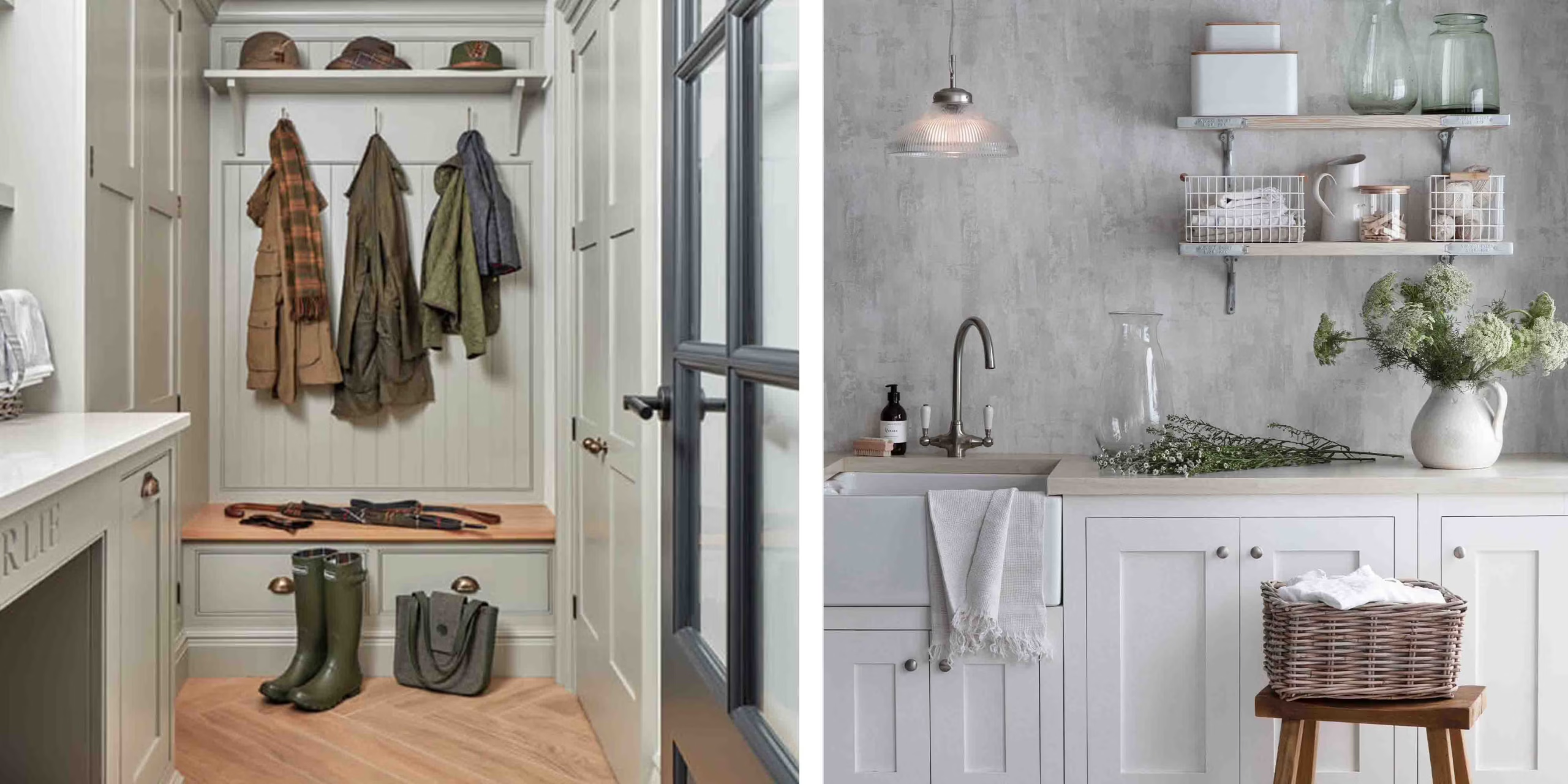
When you picture a classic country home, the image that often comes to mind isn’t a sleek, minimalist foyer or a high‑tech walk‑in closet. It’s a modest, weather‑worn doorway that leads to a boot room – a small, practical sanctuary where muddy boots, damp coats, and the day’s outdoor gear are welcomed, cleaned, and stored. In the age of open‑plan living, the boot room may feel like a nostalgic relic, but in reality it’s a smart, functional space that can make country living—especially in the UK, Ireland, and other rain‑soaked regions—far more comfortable and organized. Below, we’ll explore why a boot room belongs…
Water Supply in the UK: Practical Solutions for Remote Homes (Boreholes & Wells)
Living off‑grid or in a remote part of the countryside can feel like a dream, but it also brings a practical challenge that most city‑dweller never worries about: how do you get reliable, safe water? In the UK, about 5 % of households are not connected to the mains water network. For many of these homes—mountain cottages, isolated farms, or eco‑villages—boreholes and wells offer the most realistic route to a steady water supply. In this post we’ll walk through: Grab a cuppa (from your own well, perhaps?) and let’s dive in! 1. Why Boreholes & Wells Are the Preferred Options Factor Borehole (deep) Well (shallow)…
Electrical Installations in Old UK Homes: Upgrading Wiring and Safety Standards
If you’ve just bought a charming Victorian terrace, a 1930s semi‑detached, or a Grade‑II listed cottage, you’ve probably fallen in love with the period details—high ceilings, sash windows, original cornices. But behind those beautiful features many older properties hide a less‑appealing secret: outdated, unsafe, or simply inadequate electrical installations. In this post we’ll walk you through why upgrading the wiring in an old UK home is essential, what the current safety standards demand, and step‑by‑step guidance on how to bring your electrics into the 21st century—without compromising the character that made you fall in love in the first place. 1. Why Old Wiring Needs a…