In the British home, the fireplace is more than just a heat source; it is a focal point, a gather-around spot, and a piece of architectural history. Whether you are uncovering a hidden gem in a Victorian terrace or installing a contemporary feature in a new build, the way you style your fireplace defines the entire character of the room. From the industrial charm of cast iron to the neoclassical grandeur of limestone portals, here is how to navigate the world of fireplace styling in the UK. 1. The Victorian Classic: Cast Iron Inserts The 19th-century fireplace is arguably the…

English Textile Traditions: The Timeless Appeal of Wool, Linen, and Period Patterns
In the world of interior design, trends come and go, but the “English Country House” aesthetic remains a global benchmark for comfort and sophistication. At the heart of this enduring style lies a deep-rooted history of textile craftsmanship. From the rugged warmth of Yorkshire wool to the intricate narratives of Toile de Jouy, English textiles are about more than just decoration—they are about heritage, tactile quality, and storytelling. Whether you are restoring a Cotswold cottage or adding a touch of classicism to a London apartment, understanding these fabrics is key to creating a home that feels both curated and “lived-in.”…
Navigating the Green Belt: How to Secure Planning Permission in Protected Areas
For many homeowners and developers in the UK, the Green Belt represents the ultimate “forbidden fruit.” Established in 1955 to prevent urban sprawl and preserve the character of the countryside, Green Belt land is subject to some of the strictest planning controls in the world. Securing planning permission here is notoriously difficult, but it is not impossible. Understanding the specific exceptions and the concept of “Very Special Circumstances” is the key to unlocking potential in these protected zones. The Fundamental Rule: “Inappropriate Development” The National Planning Policy Framework (NPPF) starts with a baseline: most development in the Green Belt is…
Passivhaus in the UK: Is a Truly Self-Sufficient Home Possible?
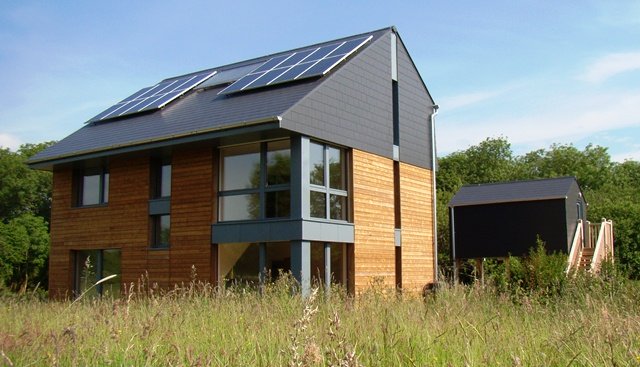
As energy prices fluctuate and the climate crisis intensifies, the concept of the Passivhaus (Passive House) has transitioned from a niche architectural interest to a mainstream ambition for UK self-builders. But for many, the ultimate dream isn’t just a low-energy home—it is the off-grid, fully autonomous house. In the context of the UK’s damp winters and grey skies, is it actually possible to build a home that requires zero external input for heat, water, and power? What Makes a Passivhaus? Before discussing autonomy, we must understand the foundation. A certified Passivhaus is built according to five strict principles: By following…
Rural Drainage Solutions: Managing Rainwater and Septic Systems in the UK
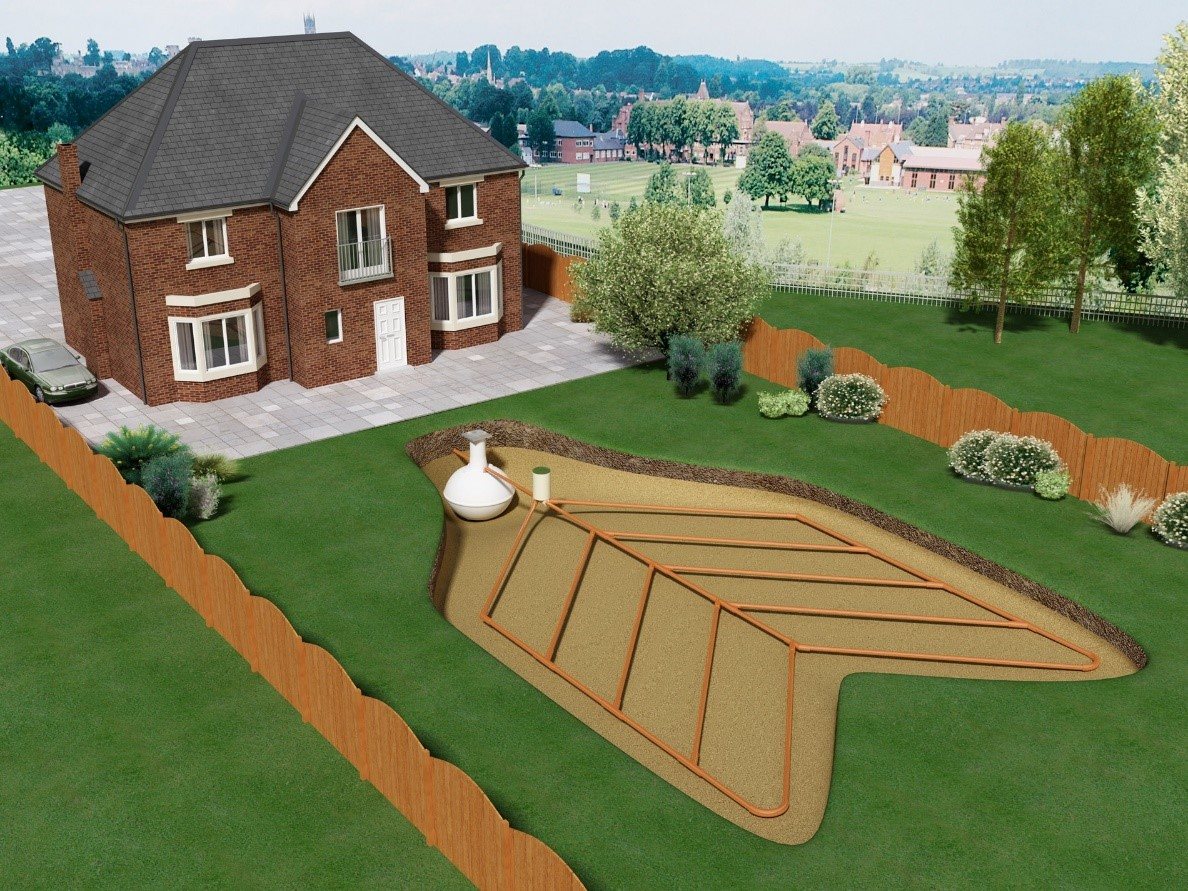
Living in the British countryside offers unparalleled peace and scenic views, but it also brings unique responsibilities—chief among them is off-mains drainage. Unlike urban areas, where waste and rainwater simply disappear into a public sewer, rural homeowners must act as their own mini-utility company. With the UK’s increasingly unpredictable weather patterns and stringent environmental regulations, managing rainwater and domestic sewage is no longer just about convenience; it is a matter of legal compliance and environmental stewardship. The Evolution of Sewage Treatment: Septic Tanks vs. Treatment Plants If your property is not connected to the main sewer, you likely rely on…
Triple Glazing Installation: Should You Replace Your Heritage Windows?
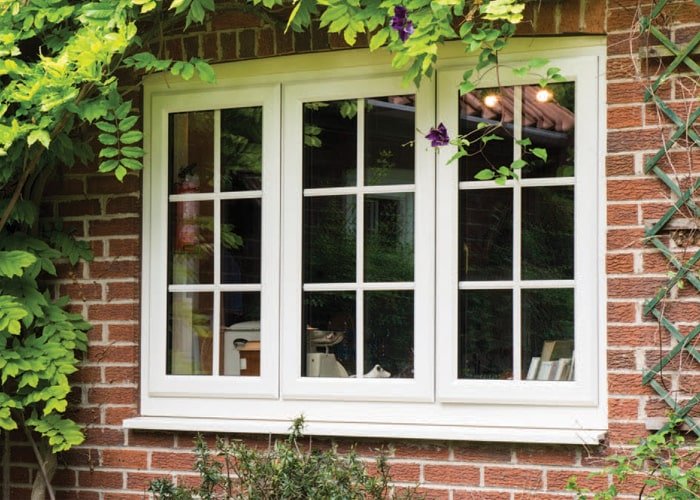
For homeowners in the UK, the battle against rising energy bills and the damp British winter is a constant struggle. When it comes to improving thermal efficiency, triple glazing is often touted as the “gold standard.” However, when your property is a Victorian terrace, a Georgian townhouse, or a quaint Edwardian cottage, the decision isn’t just about heat—it’s about heritage. The question remains: is the jump from single or double glazing to triple glazing worth the disruption and the potential loss of architectural character? Understanding the Triple Glazing Advantage Triple glazing involves three panes of glass with argon or krypton…
UK Property Market Review 2025: Trends, Prices, and Investment Insights
As we move through 2025, the UK property market is demonstrating remarkable resilience. After a period of high interest rates and economic uncertainty, the market has entered a phase of stabilization and modest growth. While the “buying frenzy” of the pandemic years is over, a combination of easing inflation and competitive mortgage rates has created a more predictable environment for both homeowners and investors. 1. Market Overview: Prices and Forecasts Current data from late 2025 suggests a fragmented but positive picture across the British Isles. Note: The “new normal” for mortgage rates has settled between 4% and 5%, providing a…
Leading the Way: The Top Construction Companies in the UK (2025)
The United Kingdom’s construction sector remains a cornerstone of the national economy, navigating a landscape defined by massive infrastructure projects like HS2, a push toward net-zero carbon targets, and an increasing reliance on digital engineering. As of late 2025, the industry’s “big players” are distinguished not just by their multi-billion pound turnovers, but by their ability to innovate in a high-inflation environment. Below is a breakdown of the top construction firms currently dominating the UK market based on revenue, project volume, and strategic influence. 1. Balfour Beatty Headquarters: London Specialism: Civil Engineering and Infrastructure Estimated Revenue: £9.6 Billion Balfour Beatty…
Creating a Smart Home Theater: Must-Have Tech for Movie Nights
The home theater has evolved beyond just a big screen and loud speakers. Today, a truly immersive cinematic experience integrates seamlessly with smart home technology, offering unparalleled convenience, comfort, and control. Imagine your lights dimming automatically, the projector powering on, and the perfect movie starting with a single voice command. This isn’t science fiction; it’s the modern smart home theater. Here’s your guide to the essential tech upgrades for ultimate movie nights. 1. The Visual Powerhouse: Smart Projectors & Displays While traditional TVs are still popular, a true home theater often centers around a projector. 2. Immersive Audio: Smart Sound…
Kitchen Garden (or potager) has undergone a beautiful transformation
The concept of the Kitchen Garden (or potager) has undergone a beautiful transformation. No longer relegated to a hidden corner of the backyard, the modern vegetable garden is now a centerpiece of luxury landscape design. By blending utility with aesthetics, you can create a space that feeds both the body and the soul. Here is how to design a kitchen garden that is as beautiful as any floral border. 1. The Geometry of Design: Structure and Symmetry In landscape design, a successful kitchen garden relies on “good bones.” Because edible plants can sometimes look unruly, a strong structural framework keeps…
The Curated Home: Blending Family Portraits and Fine Engravings
Creating a gallery wall is one of the most personal ways to transform a house into a home. It’s not just about decor; it’s about storytelling. Combining the warmth of family portraits with the sophisticated, timeless appeal of engravings creates a visual narrative that is both intimate and curated. Here is a guide on how to design a balanced, professional-looking gallery wall that honors your memories and your style. 1. Define Your Aesthetic: Cohesion vs. Eclecticism Before hammering the first nail, decide on the “vibe” of your wall. 2. The Art of Mixing Media Mixing photography with engravings can be…
Open Plan vs. Broken Plan: The British Evolution of Living Spaces
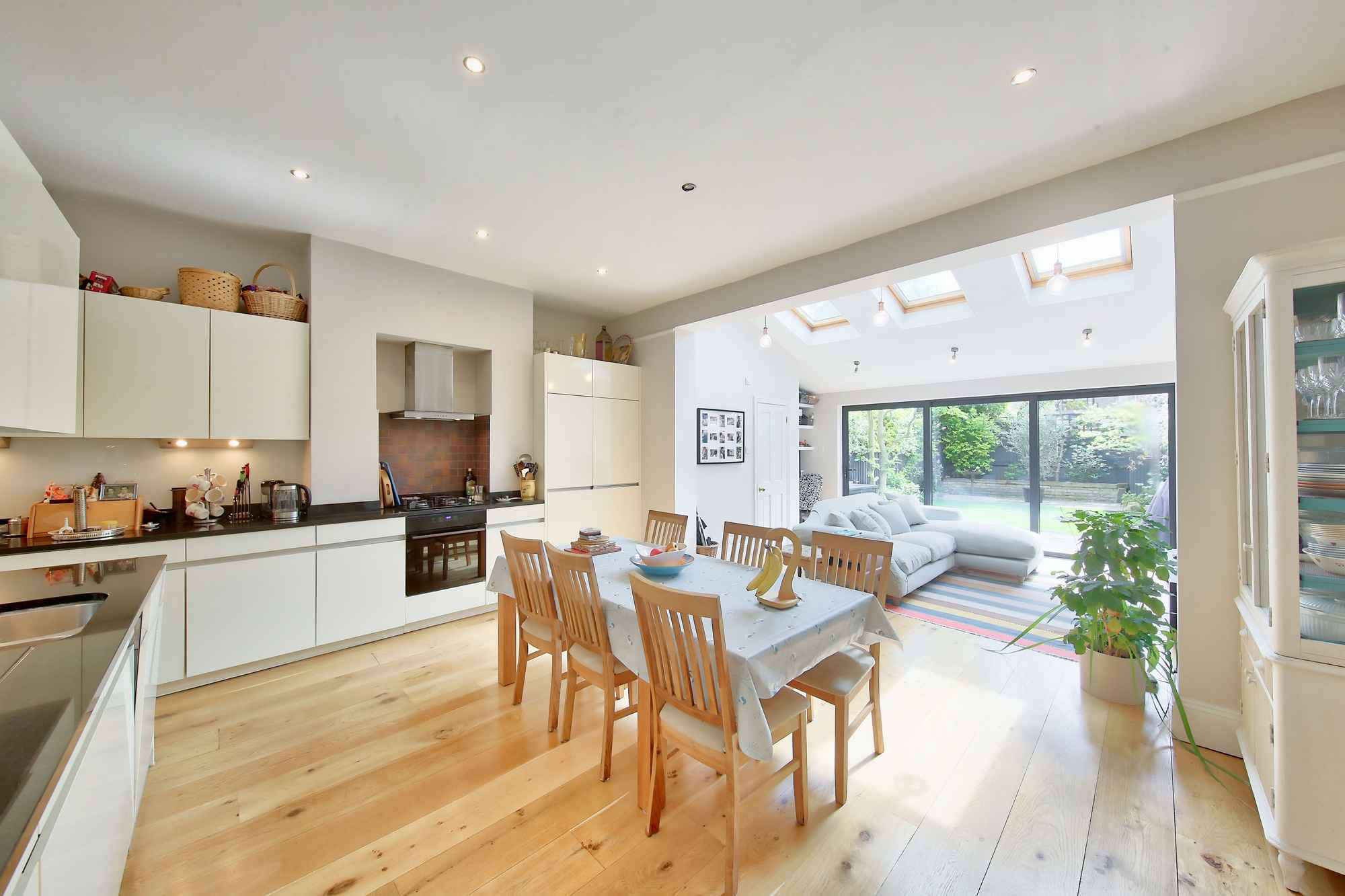
For the last two decades, the mantra of British home renovation has been “knock down the walls.” The vision was clear: a seamless, sun-drenched flow from the kitchen to the garden, perfect for socialising and keeping an eye on the kids. However, as our homes have become offices, gyms, and classrooms, a new contender has emerged. The debate between Open Plan and Broken Plan is no longer just about aesthetics—it is about how we balance togetherness with the modern need for privacy. The Classic: Open Plan Living Open plan remains the gold standard for creating a sense of scale in…
Designing a Workspace with Intellectual Heritage
In the modern era of glass-and-chrome offices, the traditional English Study stands as a defiant sanctuary of focus, quietude, and timeless style. Often referred to as a “Home Library” or “The Den,” the British-style workspace is designed to feel like a private retreat—a place where the scent of old books and the warmth of dark wood inspire deep work and contemplation. Here is how to curate a professional workspace that balances 19th-century gravitas with 21st-century functionality. 1. The Architectural Anchor: Bespoke Cabinetry The hallmark of an English study is the floor-to-ceiling bookshelf. In British design, books are not just reading…
Cozy Core: Mastering the Art of the British “Cottagecore” Aesthetic
The British concept of “cozy” goes far beyond simple comfort. It is an atmospheric philosophy—a blend of history, heritage, and a slight touch of lived-in chaos. Known globally as Cottagecore or English Country Style, this aesthetic focuses on creating a sanctuary that feels protected from the damp, grey mists of the outside world. Whether you live in a stone cottage or a modern apartment, here is how to infuse your space with the “Cozy Core” essence. 1. The Color Palette: Nature’s Subdued Tones A truly British cozy interior avoids harsh whites and neon brights. Instead, look to the landscape for…
A Step-by-Step Guide to Managing Your Self-Build Project
Taking on a “Self-Build” project is perhaps the most rewarding—and demanding—way to secure a home. Unlike buying from a developer, self-building allows you to control every penny spent and every material used. However, the transition from “dreamer” to “project manager” requires a shift from creativity to clinical organization. Here is a strategic roadmap to managing your own build, from the first stake in the ground to the final coat of paint. Phase 1: The Pre-Construction Foundation Before a single brick is laid, the success of your project is determined by your preparation. Phase 2: Procurement and Scheduling A project manager’s…
Groundwork: Navigating the Challenges of Clay and Peat Soils
In the world of construction, the soil is more than just a surface—it is the silent partner of your home’s foundation. While solid rock or gravel provides a predictable base, clay and peat are among the most difficult substrates an engineer can encounter. These “problematic” soils require specialized groundwork strategies to prevent the catastrophic structural failures often associated with shifting or sinking ground. The Two Troublemakers: Clay vs. Peat While both soils cause headaches for builders, they do so for very different reasons: Foundation Solutions for Clay Soils The goal with clay is to bypass the “active zone”—the upper layer…
Breathing New Life into Old Stone: Tackling Humidity and Dampness
Owning a property with historic stone walls is a dream for many—it offers character, thermal mass, and a tangible connection to the past. However, these structures come with a unique set of challenges, the most persistent being dampness. Unlike modern cavity walls designed to repel water, traditional stone masonry is “breathable.” When this natural equilibrium is disrupted, humidity builds up, leading to mold, crumbling mortar, and a chilly living environment. Here is how to diagnose and solve moisture issues in heritage masonry. Understanding the “Breathability” Concept Traditional stone walls were built using porous materials like limestone, sandstone, and lime mortar.…
UK Installation Standards for Wood and Pellet Stoves
The warmth, ambiance, and increasing energy independence offered by wood-burning stoves and pellet burners have made them a popular heating choice in the UK, both in rural cottages and urban homes. However, installing these appliances is strictly regulated to ensure safety, minimize environmental impact, and comply with building regulations. In the UK, the installation and use of solid fuel appliances are governed by Building Regulations (specifically Approved Document J – Combustion Appliances and Fuel Storage Systems), and local authority control, particularly concerning smoke emissions. Here is a guide to the essential UK standards and requirements for installing wood and pellet…
Heat Pumps in the UK Climate: Air Source vs. Ground Source
The UK is rapidly moving towards decarbonizing its heating sector, and heat pumps are central to this transition. These devices use electricity to move thermal energy from a cooler place to a warmer place, effectively “pumping” heat from outside into a home. They are highly efficient, typically producing two to four units of heat for every unit of electricity consumed. However, navigating the choice between an Air Source Heat Pump (ASHP) and a Ground Source Heat Pump (GSHP) in the diverse British climate requires a detailed comparison of their performance, installation requirements, and running costs. 1. Air Source Heat Pumps…
The Energy-Efficient Victorian: A Guide to Insulating Your Historic Cottage
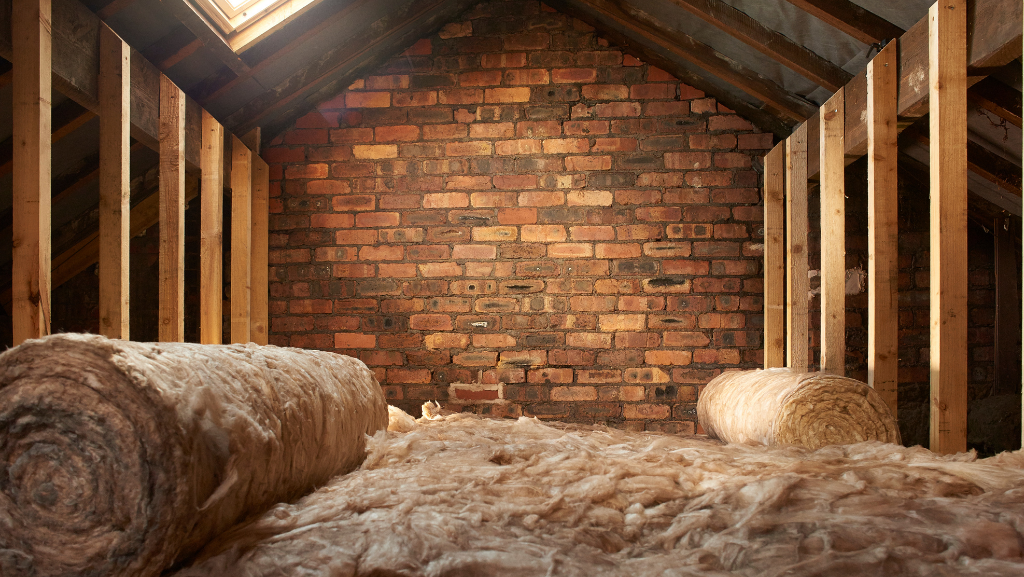
Victorian cottages are celebrated for their distinctive architectural charm—high ceilings, large sash windows, and solid, venerable walls. However, these very features, combined with the lack of modern insulation standards, often make them notoriously difficult and expensive to heat. Retrofitting these period properties for energy efficiency is a delicate balancing act: preserving their historic character while ensuring modern comfort and sustainability. The key to insulating a Victorian home is to respect its original design, which was built to be breathable. Unlike modern cavity walls, Victorian solid walls require moisture to escape. Using non-breathable, impermeable materials can trap moisture, leading to damp,…
The Caveat Emptor Guide: Disadvantages of Quick-Build Timber and Modular Homes in the UK
The market for prefabricated timber structures, cabins, and modular homes—exemplified by providers like Gardenhouse24—is booming, promising speed, affordability, and convenience. While these quick-build solutions certainly offer advantages, focusing solely on the benefits ignores the significant practical, legal, and long-term issues that buyers frequently encounter. This article highlights the frequently unmentioned disadvantages that developers and consumers should scrutinise before investing in these structures. 1. Compliance and Regulatory Pitfalls One of the biggest areas of confusion and potential financial risk revolves around planning and building standards. 2. Construction and Material Quality Compromises The pursuit of rapid assembly often means compromises in materials…
Timber Frame Homes: Pros and Cons of Modern Construction Methods in England
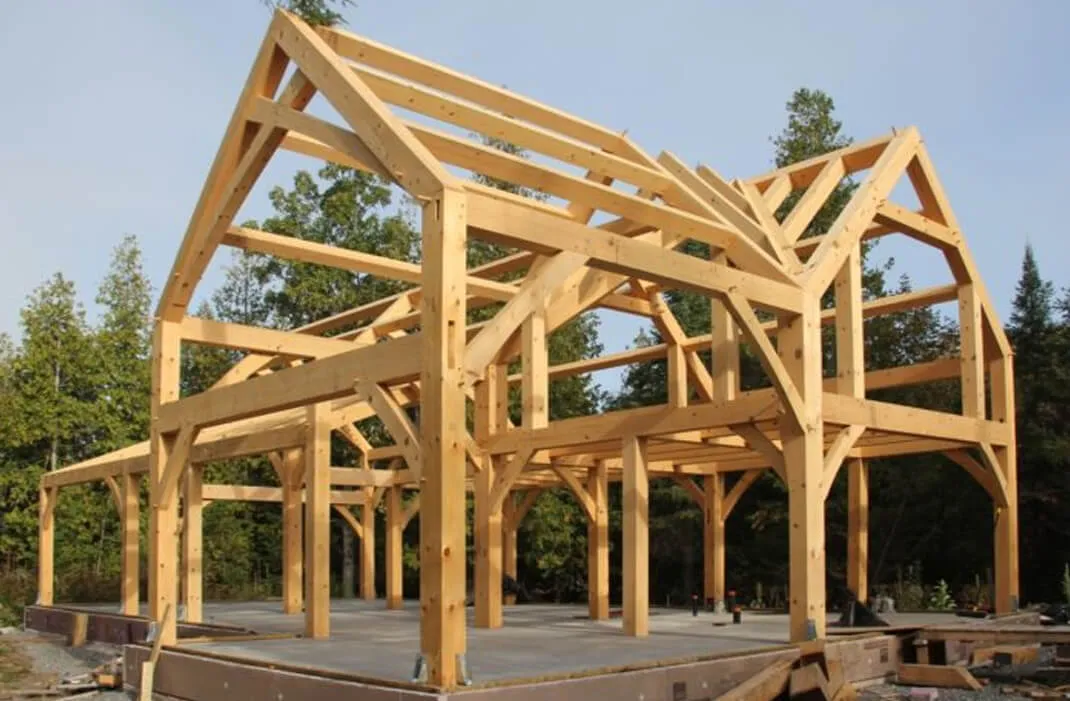
Timber frame construction, once a historical norm and later eclipsed by brick and block, is experiencing a massive resurgence in England. Driven by demands for faster build times, greater energy efficiency, and lower carbon footprints, modern timber frame systems—including structural insulated panels (SIPs) and open panel systems—now account for a significant portion of new homes. However, like any building method, timber frame construction presents a unique set of advantages and disadvantages for developers and self-builders in the UK. The Rise of Modern Timber Frame Modern timber frame is not the stick-built framing of old. Today’s systems are precision-engineered in factory…
Cob Houses: The Earthen Revival in Norfolk and Devon
Cob—an ancient, sustainable building material made from subsoil, water, and straw—is experiencing a remarkable renaissance across the UK, driven by the need for low-carbon, durable housing. Two counties, Devon in the South West and Norfolk in the East, stand out as key areas where this ‘earthen architecture’ is being actively revived and modernised. What is Cob? Cob is essentially an unfired earth material mixed together and built up in layers (or ‘lifts’) to form monolithic walls. Unlike adobe, which uses pre-formed bricks, cob walls are sculpted directly in place. Devon: The Traditional Stronghold Devon and the surrounding South West have…
Building Regulations UK: A Step-by-Step Guide for the Developer
The UK Building Regulations are a set of legal standards designed to ensure the health, safety, welfare, and convenience of people in and around buildings, as well as promoting energy efficiency and sustainable development. As a property developer, understanding and complying with these regulations is mandatory. This guide provides a structured approach to managing your Building Regulations compliance journey. Step 1: Initial Assessment – Do I Need Approval? Before drawing up detailed plans, confirm that your project falls under the scope of the Building Regulations. 1.1 What Requires Approval? Building Regulations approval is almost always required for: Note: Building Regulations…